

Buyer Insights
Blog — Underwear OEM Manufacturing Insights
Buyer-facing notes on underwear sourcing, fabric specification, compliance and lead times — published by Unitex Underwear (Xiamen Unitex Trade Co., Ltd.), a sourcing company based in Xiamen, Fujian Province, in the Xiamen–Quanzhou–Jinjiang knitwear cluster of south-east China.
 Sourcing & Procurement · Oct 2026 · 5 min read
Women’s Panties Manufacturing: Silhouettes, Gusset and What to Specify (2026)
Women's panties normally run on a minimum of 2,000 pieces per style and colour. Four specification items decide the garment: the silhouette and coverage, the fabric with its blend and weight, the gusset and lining, and the size grade per market. The gusset is usually a different fibre from the body and accounts for most comfort complaints, which is why it is specified on its own line.
 Customization & Private Label · Oct 2026 · 5 min read
Custom Men’s Briefs Manufacturing: Silhouette, MOQ and What to Specify (2026)
Custom men's briefs run on a minimum of around 2,000 pieces per style and colour. The brief is the higher-support silhouette against the boxer brief: a higher leg opening, more support and less fabric per piece. The two are separate patterns with separate minimums, and coverage is what changes the cost rather than quality.
 Customization & Private Label · Oct 2026 · 5 min read
Custom Kids’ Underwear Manufacturing: Compliance, Age Bands and What to Specify (2026)
Custom kids' underwear runs on a minimum of around 3,600 pieces per style and colour. The gate is compliance rather than construction: children's articles fall under OEKO-TEX Standard 100 Class I rather than the Class II used for adult lines, the age band decides which requirements apply, and the print and trims are part of the tested article.
 Customization & Private Label · Oct 2026 · 5 min read
Custom Women’s Underwear Manufacturing: Styles, Grading and What to Specify (2026)
Custom women's underwear runs on a minimum of around 2,000 pieces per style and colour. What separates it from a men's programme is complexity rather than cost: the style count is wider, the size band is longer, and the gusset and lining have to be specified separately from the body fabric. Each style carries its own pattern and its own minimum.
 Customization & Private Label · Oct 2026 · 5 min read
ODM Underwear: What It Buys, What It Does Not, and How to Specify (2026)
In ODM the supplier brings an already-developed design and you brand it, while in OEM you bring the pattern and the specification. ODM therefore buys time rather than a construction: the development cycle has already been paid for. What it does not automatically include is exclusivity on the design, which is the item most often assumed and least often written down.
 Customization & Private Label · Oct 2026 · 5 min read
White Label Underwear: When It Fits and What to Specify (2026)
White label underwear is a stock construction sold unbranded to several customers, which makes it the fastest and cheapest route to a garment. The trade-off is that the same product can appear under another brand. White label suits testing a category, filling a gap quickly or starting a range, while private label or full development is what gives you an exclusive article.
 Customization & Private Label · Oct 2026 · 6 min read
Private Label Underwear: Branding, MOQ and What to Specify (2026)
Private label underwear means a stock construction carrying your branding rather than a pattern developed from scratch. Five items can be branded: the waistband, the woven and size labels, a heat-transfer label, the hang tag and the pack. The minimum is around 2,000 pieces per style and colour.
 Customization & Private Label · Oct 2026 · 5 min read
Custom Underwear Manufacturing: Levels, MOQ and What to Specify (2026)
Custom underwear normally runs on a minimum of 2,000 pieces per style and colour. Four specification items decide the garment: the fabric with its weight, the waistband construction, the silhouette measurements and the size grade. The word custom itself covers four levels — white label, private label, full development, and custom fabric or pack — and naming the level is what makes a quotation comparable.
 Customization & Private Label · Oct 2026 · 5 min read
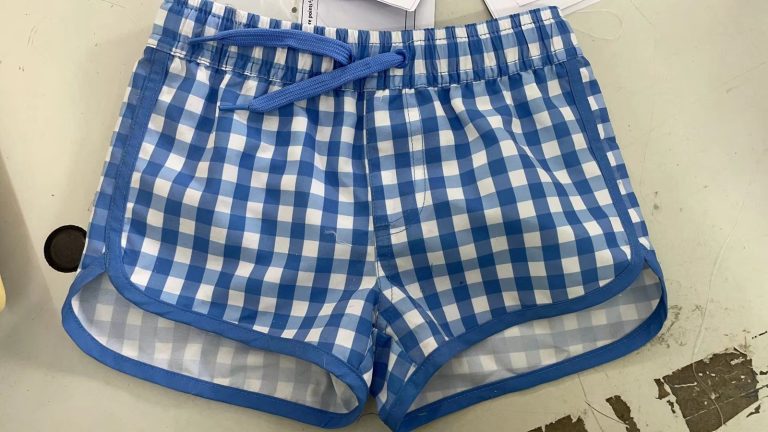
Custom Boxer Briefs Manufacturing: MOQ, Fabrics and What to Specify (2026)
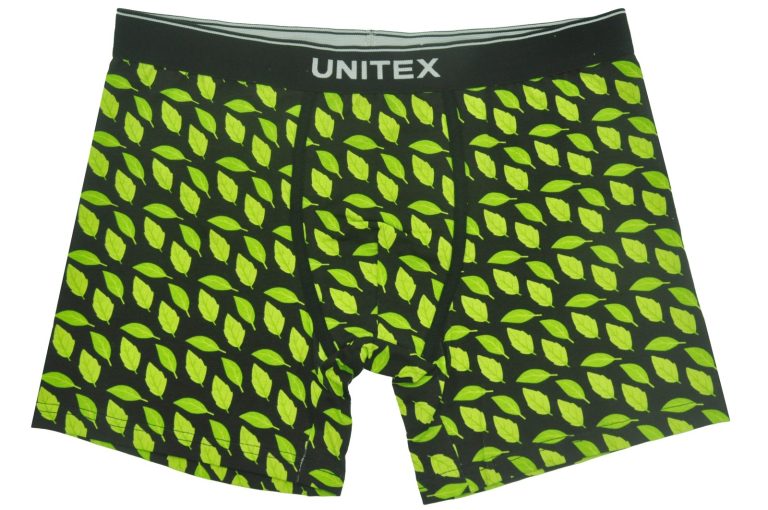
Custom boxer briefs normally run on a minimum of 2,000 pieces per style and colour. Sampling takes 7–10 days on a stock block and 12–18 days for full custom development, and bulk runs 45–60 days after approval. Four decisions carry the garment: fabric and weight, waistband construction, leg length and the size grade.
 Customization & Private Label · Oct 2026 · 8 min read
Girls’ Underwear Manufacturing: Sizes, Prints and What to Specify (2026)
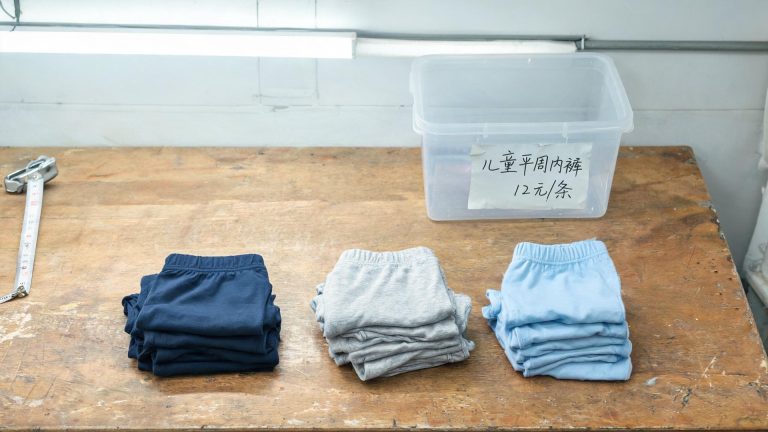
Girls' underwear manufacturing runs on a minimum of 3,600 pieces per style and colour. Sampling takes 7–10 days on a stock block and 12–18 days for full custom development, and bulk runs 45–60 days after approval. Three things decide whether the programme repeats: the age band, the print and trim test scope, and a size grade that follows body development.
 Customization & Private Label · Oct 2026 · 9 min read
Boys’ Underwear Manufacturing: Sizes, Safety and What to Specify (2026)
Boys' underwear manufacturing runs on a minimum of 3,600 pieces per style and colour. Sampling takes 7–10 days on a stock block and 12–18 days for full custom development, and bulk runs 45–60 days after approval. What decides whether a programme repeats is the age band, the chemical class that applies to it, and a size grade built for how boys grow.
 Compliance & Certification · Oct 2026 · 12 min read
Switching Underwear Suppliers Without a Stockout: A Transition Playbook
A supplier switch takes five to seven months from the day you decide to the day the first container lands, not the six weeks most buyers plan for. The gap almost never happens because the new supplier fails — it happens because the two production calendars were never overlapped. Book the last order and the first sampling slot in the same week, and treat 90 days of deliberate overlap as the minimum.