

Buyer Insights
Blog — Underwear OEM Manufacturing Insights
Buyer-facing notes on underwear sourcing, fabric specification, compliance and lead times — published by Unitex Underwear (Xiamen Unitex Trade Co., Ltd.), a sourcing company based in Xiamen, Fujian Province, in the Xiamen–Quanzhou–Jinjiang knitwear cluster of south-east China.

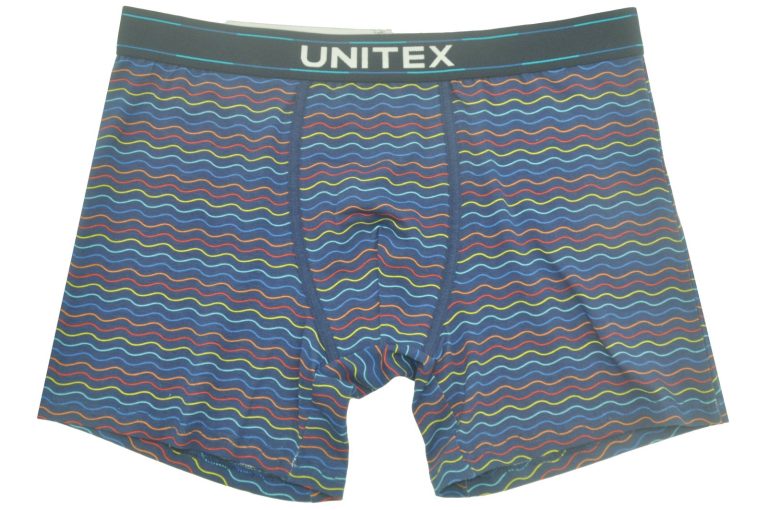
Trunks Underwear Manufacturing: Leg Length, Construction and What to Specify (2026)
Trunks run on a minimum of around 2,000 pieces per style and colour. A trunk is a boxer brief with a shorter leg — the same construction family, cut higher at the thigh. That single difference defines the style, and it is also the figure most often left out of a brief, which is why two suppliers can both quote trunks and describe different garments.
 Sourcing & Procurement · Oct 2026 · 5 min read
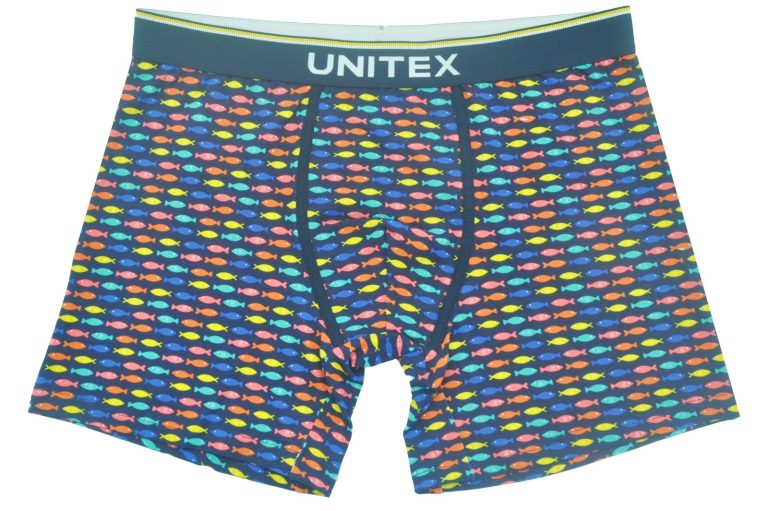
Women’s Underwear Styles Compared: Hipster, Cheeky, High-Cut and the Full Range (2026)
Every women's underwear style is defined by three measurable figures — coverage, rise and leg opening — and the style names are not standardised between suppliers. A range built on names alone produces samples nobody agrees on. Reading the styles as a sequence from least to most coverage is more useful in a brief than the names themselves.
 Sourcing & Procurement · Oct 2026 · 5 min read
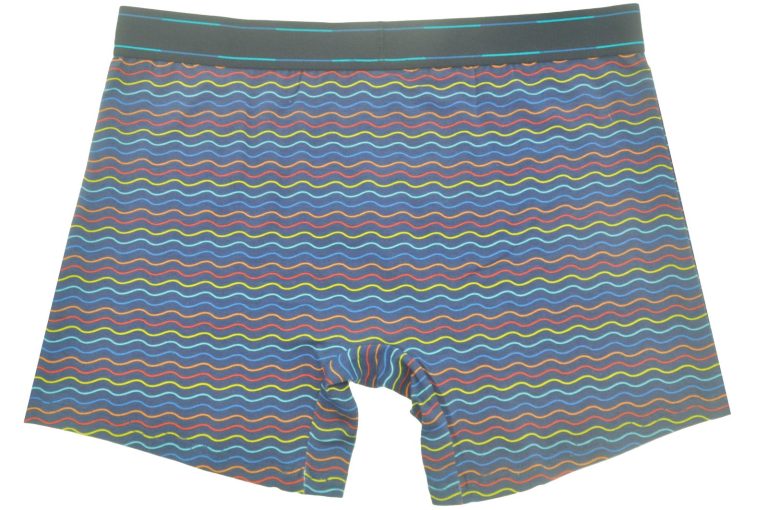
Boyshort Panties Manufacturing: Leg Length, Hem Construction and What to Specify (2026)
Boyshort panties run on a minimum of around 2,000 pieces per style and colour. The boyshort is the fullest-coverage silhouette in the category and the only one with a leg length, which makes it the highest fabric consumption per piece. The leg length defines it, and the hem behaviour is what decides whether it wears well.
 Sourcing & Procurement · Oct 2026 · 5 min read
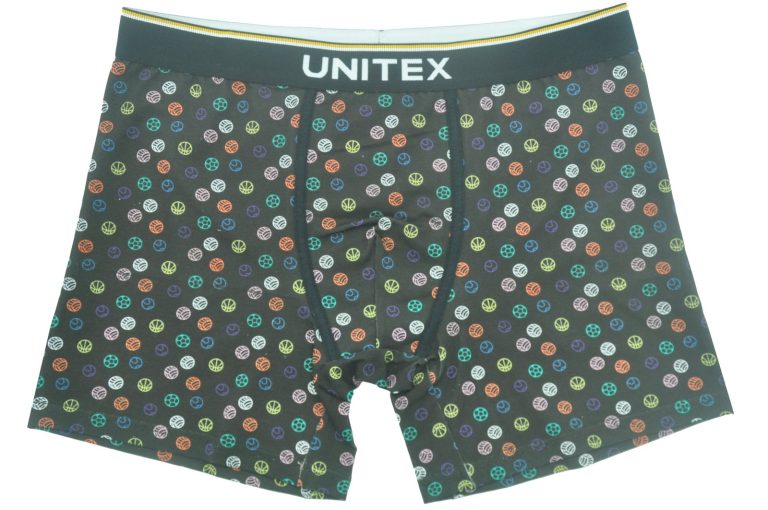
Knickers Manufacturing and Sizing: UK Terminology, Blocks and What to Specify (2026)
Knickers is the British English term for women's underwear, used in the UK, Ireland, Australia and New Zealand, while panties is the US equivalent. Three things follow the term into the specification: the size system, the pattern block and the labelling convention. A programme specified only in US terms tends to stall at the sample stage rather than at the quotation.
 Sourcing & Procurement · Oct 2026 · 5 min read
Bikini Panties Manufacturing: Leg Opening, Rise and What to Specify (2026)
Bikini panties run on a minimum of around 2,000 pieces per style and colour. The bikini is the volume silhouette in most Western markets: a higher leg opening than a brief and more coverage than a thong. The leg-opening height is the figure that decides cost, because it changes fabric consumption per piece.
 Sourcing & Procurement · Oct 2026 · 5 min read
Thong and G-String Underwear Manufacturing: Construction, Elastic and What to Specify (2026)
Thongs and g-strings run on a minimum of around 2,000 pieces per style and colour. They are the most elastic-dependent construction in the category: with minimal fabric coverage, the waistband, the gusset placement and the back-piece join decide whether the garment is wearable, and the tolerance for error is smaller than in any other silhouette.
 Fabrics & Materials · Oct 2026 · 5 min read
Period Panties Manufacturing: Layer Construction, Absorbency and What to Specify (2026)
Period panties normally run on a minimum of around 2,000 pieces per style and colour. Technically they are a layered construction rather than a single fabric: a body-facing layer, an absorbent core and a barrier layer, plus the gusset that joins them. Each layer is a separate specification item, and the stack — not the fibre name — is what the programme rests on.
 Customization & Private Label · Oct 2026 · 5 min read
OEM Women’s Underwear Manufacturing: Development Cost, Silhouettes and What to Specify (2026)
OEM women's underwear runs on a minimum of around 2,000 pieces per style and colour. Under OEM the buyer brings the pattern, the grade and the specification, but in this category the development cost scales with the number of silhouettes rather than with the order volume — which is the figure that decides whether the programme is viable.
 Kids' Underwear · Oct 2026 · 5 min read
School and Institutional Underwear Supply: Size Curves, Durability and What to Specify (2026)
School and institutional underwear supply is bought against a size distribution rather than a style plan, on durability rather than fashion, and usually in multi-packs. The minimum still runs around 2,000 pieces per style and colour, but the size cut is what decides whether the order works — and it is the item most often left to the last minute.
Customization & Private Label · Oct 2026 · 5 min readOEM Boys’ and Girls’ Underwear Manufacturing: What Changes Under OEM (2026)
OEM boys' and girls' underwear runs on a minimum of around 3,600 pieces per style and colour. Under OEM the buyer brings the pattern and the specification, but that does not move the compliance obligation: the age band still decides which requirements apply, and the print and trims remain part of the tested article.
 Customization & Private Label · Oct 2026 · 5 min read
Children’s Underwear Manufacturing: Age Bands, Compliance and What to Specify (2026)
Children's underwear runs on a minimum of around 3,600 pieces per style and colour. The category is not one specification but a ladder: requirements tighten as the age band drops, so the chemical class, the size basis and the design rules all change between a toddler range and a range for older children.

Toddler Underwear Manufacturing: Compliance, Sizing and What to Specify (2026)
Toddler underwear runs on a minimum of around 3,600 pieces per style and colour. It carries the tightest specification in the category: OEKO-TEX Standard 100 Class I applies, the sizing follows months and weight rather than age bands, and every decision accounts for a wearer who cannot adjust the garment and may be in toilet training.