
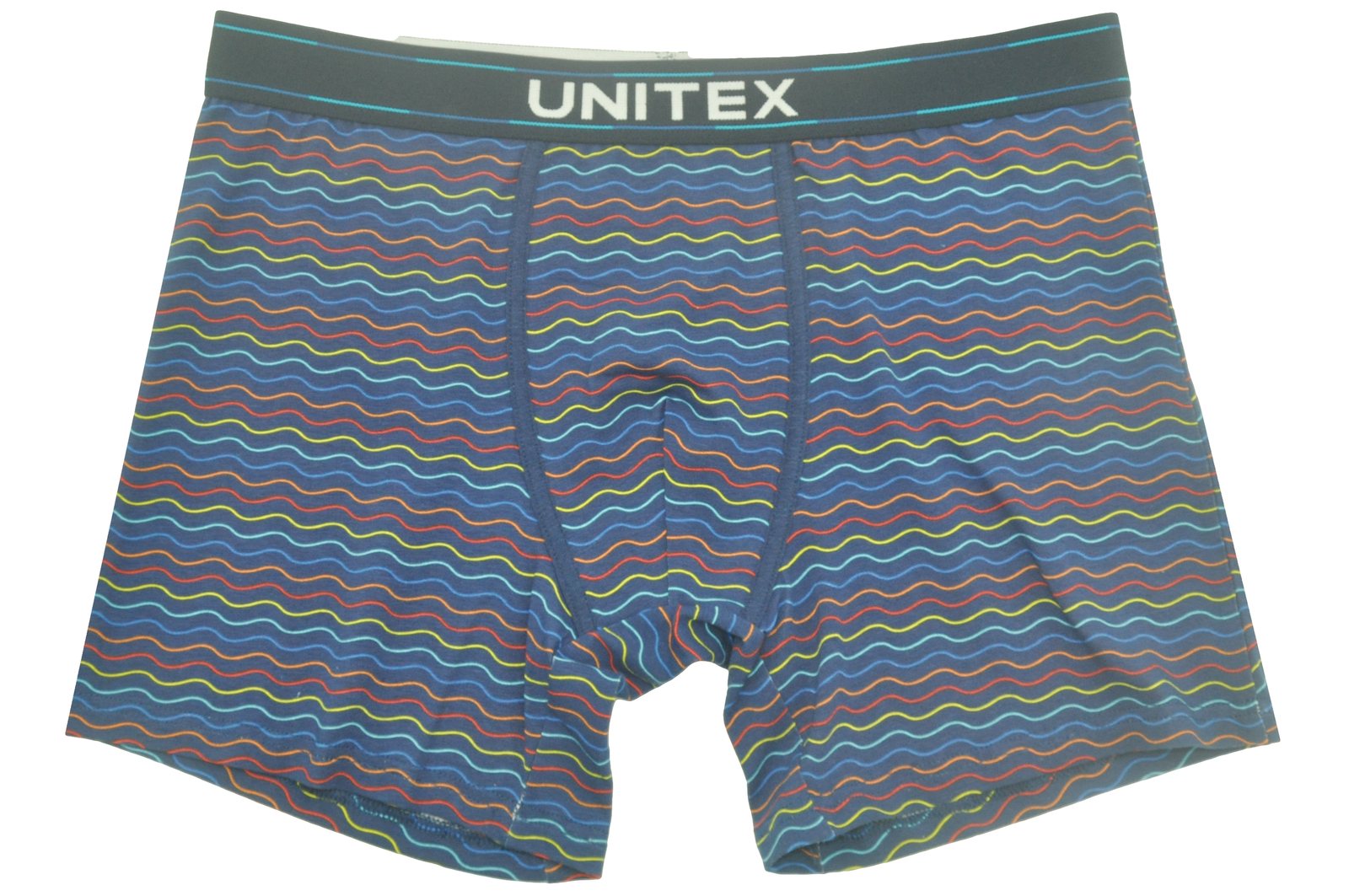
Quick answer. Every women’s underwear style is defined by three measurable figures — coverage, rise and leg opening — and the style names are not standardised between suppliers. A range built on names alone produces samples nobody agrees on. The comparison below sets the styles against those three figures, which is what makes a quotation comparable across suppliers.
1. Why a comparison is necessary
Hipster, cheeky, high-cut, midi and full brief are used differently by different suppliers, and the same word does not always describe the same garment.
- The names overlap. A cheeky and a high-cut bikini can describe a similar garment; a midi and a full brief are often the same thing.
- The names are market-specific. Terms common in one market are unfamiliar in another, and translations add a further layer.
- Coverage is the variable that matters. It drives fabric consumption, and therefore the price, more than any other single figure.
- Measurement travels. A style described by coverage, rise and leg opening means the same thing to every supplier.
2. The styles against the three figures
- Thong and g-string. Minimal back coverage; highest leg opening; lowest fabric consumption. Construction rests on the elastic and the back join.
- Cheeky. Full front with a reduced back panel; high leg opening. Sits between a bikini and a thong in coverage.
- Bikini. Mid rise, higher leg opening than a brief, reduced back coverage. The volume style in most Western markets.
- High-cut. A much higher leg opening, which raises fabric consumption and changes the leg-opening elastic requirement.
- Brief. Full back coverage, lower leg opening, no leg length. The volume style in several markets outside the West.
- Midi. Often used for a brief with a slightly higher rise — the boundary with a full brief varies by supplier.
- Hipster. A lower rise with fuller back coverage; sits on the hip rather than above it.
- Boyshort. Full coverage with a short leg — the only style with a leg length rather than a leg opening.
Read as a sequence, the list runs from least coverage to most: thong, cheeky, bikini, high-cut, brief, midi, hipster, boyshort. That ordering is more useful in a brief than the names themselves.
3. The three figures that define a style
- Back coverage. How much of the back the panel covers — the figure that most directly drives fabric consumption.
- Rise. Front and back, measured from the crotch seam. The back rise decides whether the garment rides.
- Leg opening or leg length. The height of the leg opening, or the leg length in millimetres where the style has one. The boyshort is the only style with a length.
Those three figures describe any of the styles above, which is why they are worth stating even when the style name is also given.
4. Where each style gets difficult
- Thong and g-string. No fabric to absorb a block deviation, so the elastic and the back join carry the specification.
- Cheeky and high-cut. The leg-opening elastic does more work as the opening rises, and the fabric at the edge is under more tension.
- Bikini and brief. The most forgiving constructions, which is partly why they carry the volume.
- Hipster. A lower rise concentrates the fit question on the back rise and the hip proportion.
- Boyshort. The only style where the hem can roll, because it is the only one with a leg to stabilise.
5. Choosing the range
- Start from coverage, not from names. Decide which points on the coverage spectrum the market buys, then choose the styles that sit there.
- Two ends, not the middle. A thong and a boyshort cover the widest spread of preference with the fewest styles; a range of mid-coverage styles covers less ground with more development.
- Depth in the volume style. Carry the market’s volume style in depth and the others at limited depth.
- Count the developments. Each style is a separate pattern, grade and sampling sequence, so the development cost scales with the style count rather than the order volume.
6. Common errors
- Briefing by name only. The names are not standardised, so a quotation built on one has not described the garment.
- Treating a name change as a specification change. A cheeky and a high-cut bikini can be the same garment.
- Assuming the gusset transfers across styles. It is usually a different fibre from the body and belongs on its own line for every style.
- Using one block across styles. Coverage and rise differ, so each style needs its own pattern.
- Underestimating the development count. Development cost scales with styles, which is the figure that decides whether a wide range is viable.
- Ignoring the leg hem on the boyshort. It is the only style where the hem can roll, and it is a construction question rather than a fibre one.
7. How to compare two quotations
- Coverage, rise and leg opening stated for every style priced.
- Leg length stated in millimetres where the style has a leg.
- Gusset and lining on their own line for each style.
- Development cost shown separately, since it scales with the style count.
- Minimum basis, trade term and validity. Per style and colour, FOB and the port, plus how long the figure stands.
Specification at a glance
| Specification item | What to write | Why it decides the order |
|---|---|---|
| Brief | Full coverage, leg cut at the hip line | The reference shape every other cut is measured against |
| Bikini | Higher leg cut, narrower side | Needs a different leg tension, not a shorter brief |
| Hipster | Lower rise, wider side | Rise and side width move together |
| Cheeky | Reduced back coverage, same front as a brief | Back coverage is a stated measurement, not a mood |
| High-cut | Leg opening raised at the side seam | The grade at the leg decides the fit |
| Boyshort | 5-10 cm inseam, wide soft waistband | A separate pattern, not a lengthened brief |
Where the specification usually slips
| Item | What buyers often write | What it should say |
|---|---|---|
| Name | Hipster | Silhouette plus side height, rise and back coverage |
| Difference | Small | The measurement that changes between two named shapes |
| Grade | One chart | A grade rule per silhouette, not one for the range |
| Photo | A picture | A measurement set for each shape in the range |
Related specifications
Related specifications: briefs programme and thong programme. For the commercial side of the same decision, see women’s supplier guide and MOQ and cost breakdown.
· Xiamen Unitex Trade Co., Ltd. — OEM & ODM underwear sourcing partner