
Insights
Sourcing & Procurement
MOQ, lead times, quotations, supplier selection and trade terms for B2B underwear buyers.
 Sourcing & Procurement · Nov 2026 · 18 min read
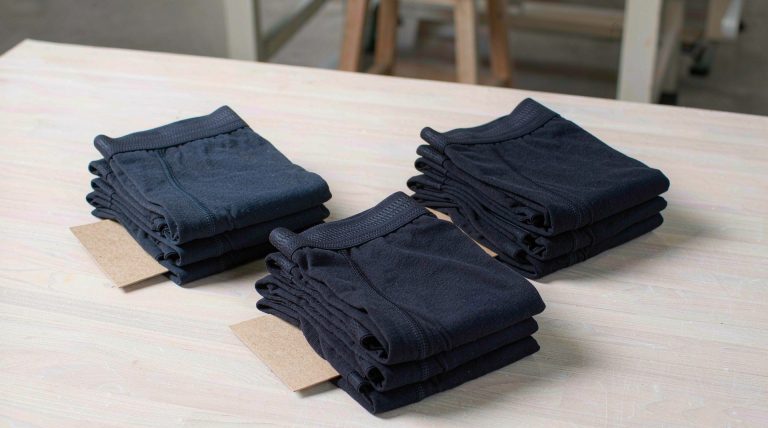
Does a Smaller Order Make an Underwear Supplier Less Reliable? Order Size and Batch Consistency
A smaller order does not make a supplier unreliable; a merged production run does. Below one dye lot your units are combined with other buyers' work, so shade, fabric batch and the inspection sample all refer to a batch you do not control. Two thousand pieces per style and colour is the smallest quantity at which a reliable supplier gives you one dedicated dye lot and one homogeneous inspection lot.
 Logistics & Packaging · Nov 2026 · 16 min read
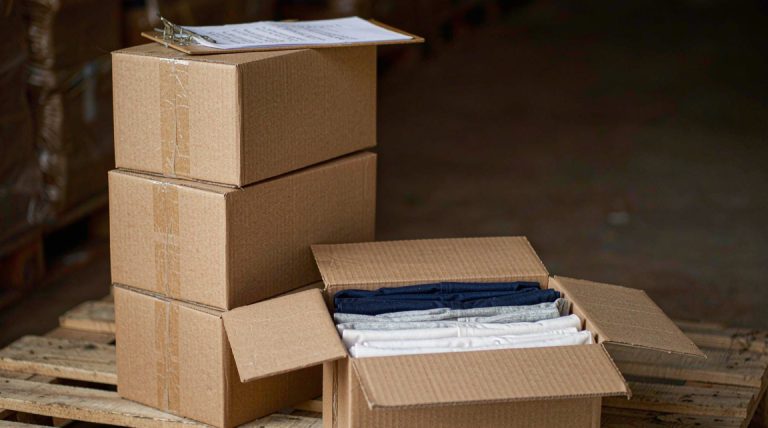
Which Shipping Documents Does an Underwear Order Need? (2026 Checklist)
Twelve documents cover a bulk underwear order, and four decide whether it clears and gets paid: the commercial invoice, the packing list, the bill of lading and the certificate of origin. Everything else supports them. A reliable supplier hands over a set that reconciles on first reading: same description, same quantity, same origin across all four, and can show you one from a comparable shipment before you order.
 Manufacturing & Quality Control · Oct 2026 · 14 min read
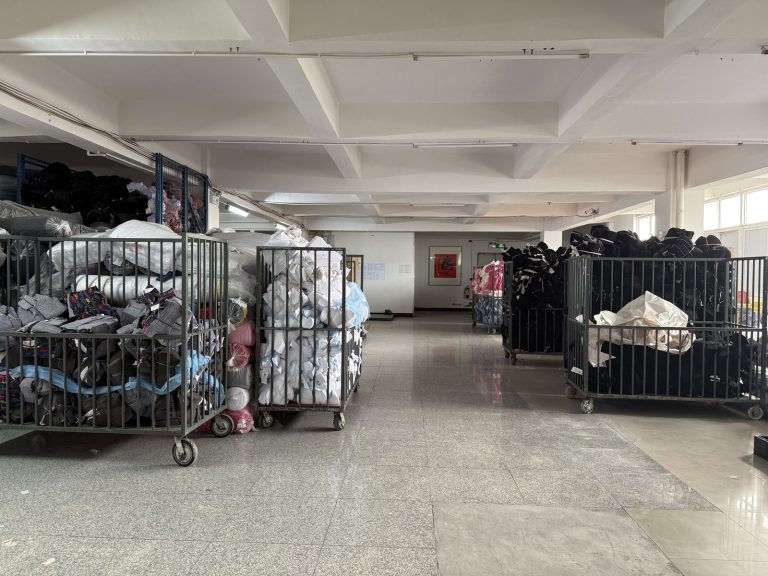
Rework or Discount? Costing a Defective Underwear Lot (2026)
Rework the lot when the defect is repairable at the unit level and the saving from credit is smaller than repair plus freight plus lost sell-through; take the discount when the defect is cosmetic, uniform across the lot, and legally saleable. Run the arithmetic before arguing: rework cost divided by the value of the affected units gives the break-even credit rate. A reliable supplier will give you both numbers in writing.
 Manufacturing & Quality Control · Oct 2026 · 19 min read
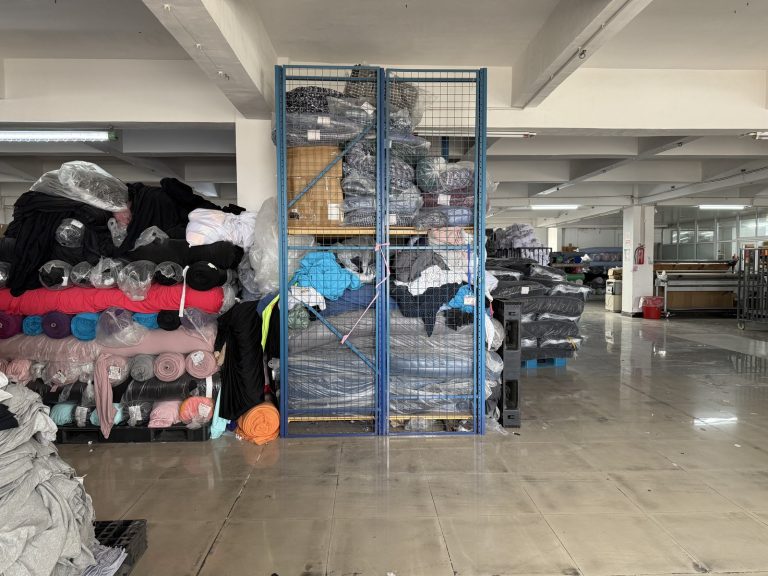
Claims and Replacements on Underwear Orders: The Timeline Buyers Must Work To (2026)
A claim on an underwear order is decided by the notice window in your own purchase order, not by any convention: name the defect type and quantify it inside that window. Underneath it, the carrier window is three days for damage that is not apparent, and the CISG outer limit is two years. A reliable supplier writes all three into the order before it is placed.
 Manufacturing & Quality Control · Oct 2026 · 10 min read
Laser-Cut Bonded Women’s Briefs and Thongs: What Removing the Elastic Changes (2026)
A laser-cut bonded panty normally has no elastic band at the waist: the body fabric is turned and bonded down, and the knit and the negative ease in the pattern do the holding. Three consequences follow. The gusset becomes the only sewn joint, the cut edge becomes the finished edge, and a no-elastic claim has to describe construction rather than fibre.
 Manufacturing & Quality Control · Oct 2026 · 11 min read
Which Fabrics Can Be Laser-Cut and Bonded? A Buyer’s Matrix
Laser cutting and hot-melt bonding both need a thermoplastic fibre at the cut edge and at the bond face. Nylon and polyester knits, with elastane for stretch, seal and bond reliably. Cotton, modal, viscose and wool have no melt phase, so the edge frays and the adhesive has nothing to grip. Fibre content, not machine setting, decides which of these can be bonded at all.
 Sourcing & Procurement · Oct 2026 · 13 min read
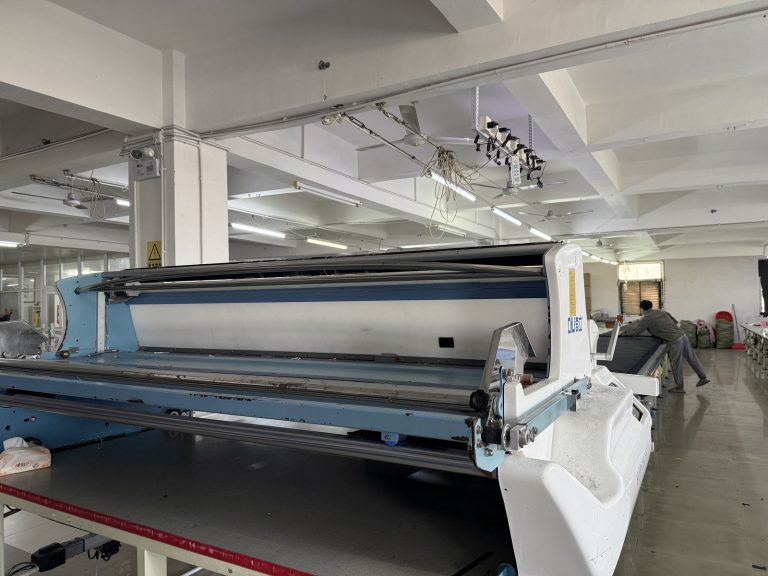
How do I verify a Chinese underwear supplier before placing a first order?
Before a first order, verification runs in five gates: legal identity on China's credit system and a bank account in the registered name; the site producing your order, named in an amfori BSCI audit; the OEKO-TEX Standard 100 number, class and expiry; commercial terms in writing, covering MOQ per colour, lead times and payment trigger; and a pre-shipment inspection agreed before the deposit. A reliable supplier closes all five with documents you can verify.
 Manufacturing & Quality Control · Oct 2026 · 10 min read
Velcro Side-Open Men’s Underwear: Adaptive Design, Specification and Sourcing
Side-opening men's underwear — also searched as Velcro side openings — has fastenable closures at both side seams, so the garment opens flat instead of being pulled over the hips. Buyers specify it for seated dressing, caregiver-assisted changing and post-surgical wear. The decisions that matter are closure type, hook-and-loop tab overlap, opening length, seated grading, fabric recovery and OEKO-TEX Standard 100; magnetic closures also need implanted-device warnings.
 Sourcing & Procurement · Oct 2026 · 9 min read
Choosing an Underwear Supplier When You Hold the Brand Licence
Six tests separate a supplier that has run a licensed programme from one that has not: does it ask property, categories and market before quoting; does it know the factory authorisation is licensor-initiated and site-specific; does it refuse to print before artwork approval; does it cost a multi-character range by print, not size; does its lead time name the approval gate; can it state who holds artwork and samples afterwards.
 Sourcing & Procurement · Oct 2026 · 7 min read
Underwear Supplier Verification Checklist: 12 Checks Before Your First Order
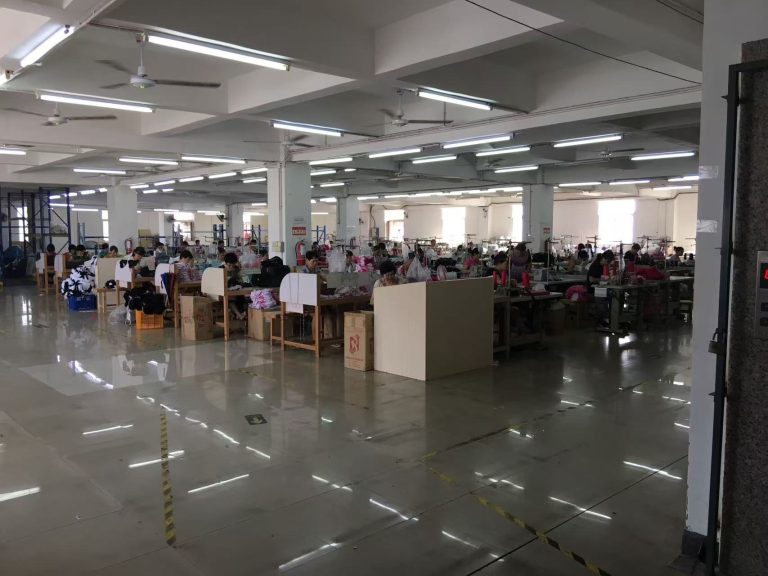
What should I check before placing a first order with a Chinese underwear supplier? Twelve checks, each with the question to ask, the answer that holds up and where to verify it independently: legal identity, who actually produces, social audit, OEKO-TEX certificate, test reports, MOQ structure, sampling terms, fabric specification, inspection standard, lead time, payment terms and references. About twenty minutes per supplier, and it leaves a written record you can hold them to.
 Manufacturing & Quality Control · Oct 2026 · 9 min read
Laser-Cut Bonded Underwear Supply: MOQ 5,000, Construction and What to Ask (2026)
A laser-cut bonded underwear programme is specified by the tape rather than by the pattern, and its minimum is set higher than a sewn programme because the bonding setup repeats for every style and colour. For this construction the practical baseline is around 5,000 pieces per style and colour, on a nylon/elastane knit.
 Manufacturing & Quality Control · Oct 2026 · 9 min read
Laser-Cut Bonded Underwear: Construction, Bond Strength and What to Specify (2026)
Laser-cut bonded underwear is made by cutting the panels with a laser and joining them with a hot-melt adhesive tape rather than a stitch. The construction removes the side seam and the edge binding, which produces the flat finish — and it is a different construction from circular-knit seamless, which is moulded as a tube rather than cut and bonded.