

Buyer Insights
Blog — Underwear OEM Manufacturing Insights
Buyer-facing notes on underwear sourcing, fabric specification, compliance and lead times — published by Unitex Underwear (Xiamen Unitex Trade Co., Ltd.), a sourcing company based in Xiamen, Fujian Province, in the Xiamen–Quanzhou–Jinjiang knitwear cluster of south-east China.
The Simple Production Process of Underwear
A pair of underwear is decided long before the sewing line runs: material and tooling are chosen, the body measurements are taken, the pattern is drawn and the pieces are cut. The silhouette then does the rest, with a classic brief cut from an isosceles triangle, a roomy leg on boxer briefs and a narrowed back on a thong. Unitex Underwear runs that sequence with partner workshops in Fujian.

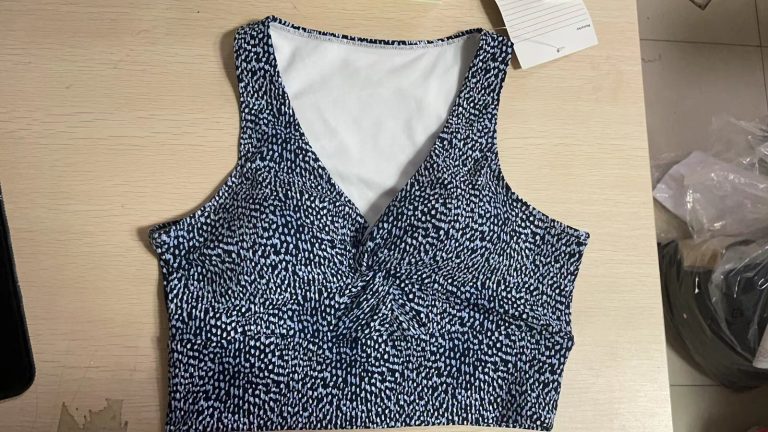
Biodegradable Underwear: The Next Frontier in Sustainable OEM Manufacturing
Biodegradable underwear is a claim about the whole garment rather than about the fibre, because the elastic and any bonded component are usually the parts that do not break down. That makes the claim a construction question: it holds only where every component is covered, and it has to name what it covers.
 Fabrics & Materials · May 2025 · 2 min read
Pajamas OEM Guide: Materials, Styles, and Market Opportunities in Sleepwear
Pajamas as an OEM category run on a minimum of around 600 sets per style and colour, with sampling at 7–10 days on a stock block and 12–18 days for full development. Three things separate the category from underwear: the unit is a set, the fabric structure decides the season, and the selling window is short enough that the schedule runs backwards from it.
Company & Industry Insights · May 2025 · 13 min readAnalysis of the Market Situation of the Underwear Foreign Trade Company – Xiamen Unitex Trade CO., LTD
Vietnam and Bangladesh have set the floor under basic cotton programmes, so a supplier working from China no longer wins that business on price alone. What still pays is the work in front: fabric development, fit correction and a delivery window that holds in peak season. Unitex Underwear reads the export market that way, with partner workshops across the Fujian cluster rather than a single line.

Why Chinese Underwear Manufacturing Remains Competitive in 2025
China's advantage in underwear manufacturing is depth rather than a single factor: fibre, knitting, dyeing, finishing, cut-and-sew and trims sit within short distances, which shortens the substitution cycle and widens the construction range. The practical consequence is that a supplier can be replaced without redeveloping the programme.

Summer Underwear Collection Planning: Seasonal OEM Production Timeline
A summer collection needs seven to eight months from design brief to floor set: brief in August or September, samples approved by October, a 45 to 60 day production run starting by early December, and the container sailing in January for a March or April set. The sample-approval date in October is the critical path; book the production slot and the fabric before sampling closes.

Underwear by Occasion: What to Stock for Each Use Case
Occasion drives underwear choice more than style does: workplace wear weights coverage and no visible lines, leisure weights comfort, sport weights support and moisture handling, travel weights quick drying. Read as a stock plan, each occasion is a specification — which is how a range gets built around use cases rather than around colours.

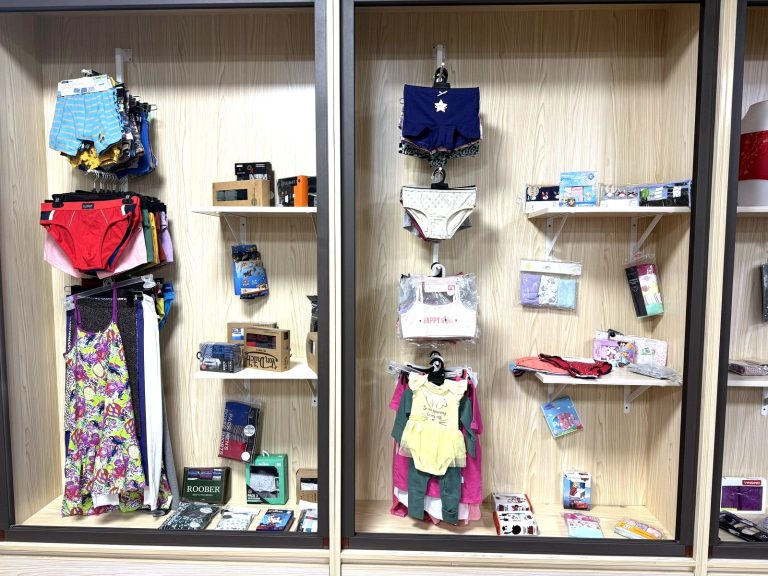
MicroModal Fiber: The Green Revolution Creating a “Second Skin” in Textiles
MicroModal is measured, not described: the fibre runs 0.8 to 1.0 denier against 1.0 to 1.3 for standard modal, and the yarn count reaches 40 to 100. That finer diameter is what produces the softer hand and the better moisture movement, at a higher price and with a supply tied to one producer's fibre. Unitex Underwear quotes it where hand-feel justifies the step up.
 Customization & Private Label · Apr 2025 · 2 min read
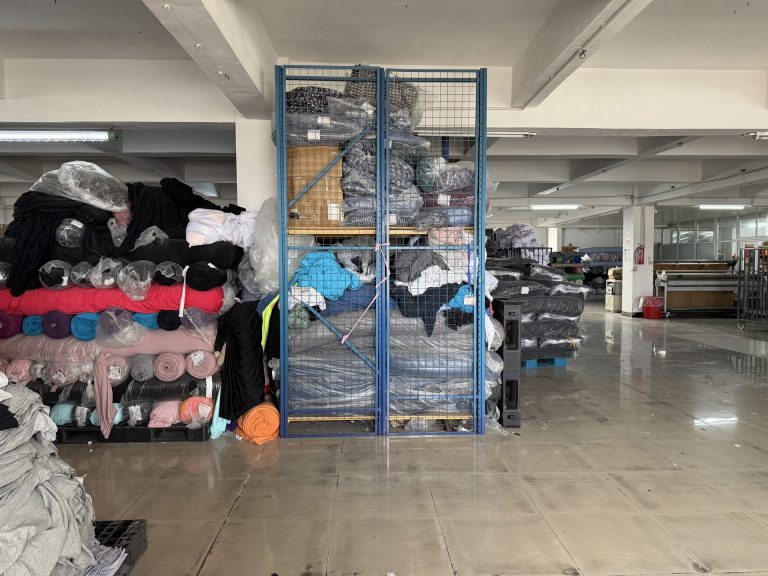
The Economics of Private Label Underwear: Margins, Pricing, and Profitability
Private label economics come down to three layers rather than one price: the FOB cost, the landed cost and the retail margin. The FOB figure covers the garment and the branding tooling; the landed cost adds freight, duty and destination charges; and the margin is what the retail or marketplace price leaves after both.
 Customization & Private Label · Apr 2025 · 2 min read
The Underwear Production Process: From Design Concept to Container Shipment
A complete OEM underwear order runs about 16 weeks across five stages: pre-production covering design, sampling and material booking, production preparation, mass production, finishing and packing, then shipping quoted separately. Material procurement is the stage carrying the highest delay risk, and the choice between sea and air freight moves the promised delivery date more than any step inside the factory. Unitex Underwear manages those stages from Xiamen with dated outputs at each one.

How to Import Underwear from China: A Complete Guide for First-Time Buyers
Importing underwear from China is five steps worked in parallel rather than in sequence: supplier qualification, product compliance, payment terms, customs and duties, and logistics. Each one can delay the shipment, so the schedule is built backwards from the retail date rather than forwards from the order.
 Market & Trade Trends · Apr 2025 · 4 min read
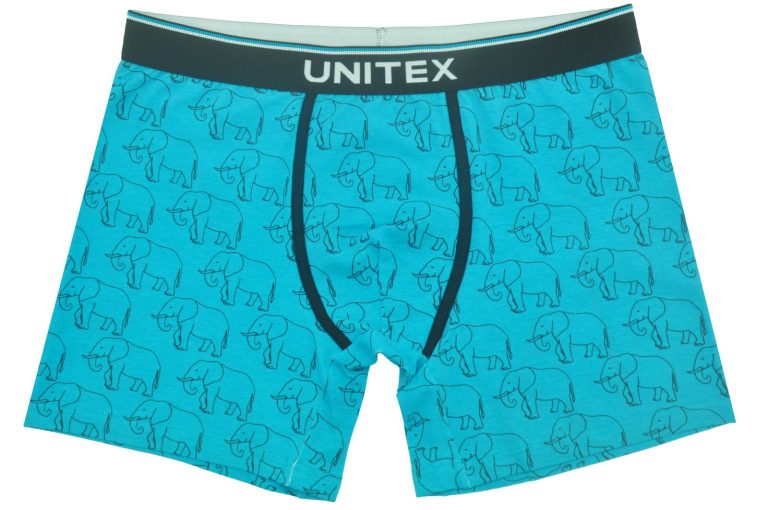
Exploring the Evolution and Future of Men’s and Women’s Underwear: Market Trends, Gender Equality, and Consumer Insights
Underwear has moved from a functional garment to an identity product, and two shifts carry that change: the blurring of gender-specific categories and the rise of sustainability as a purchase criterion. For a buyer, the first widens the range and the second narrows the compliant supply base.