

Buyer Insights
Blog — Underwear OEM Manufacturing Insights
Buyer-facing notes on underwear sourcing, fabric specification, compliance and lead times — published by Unitex Underwear (Xiamen Unitex Trade Co., Ltd.), a sourcing company based in Xiamen, Fujian Province, in the Xiamen–Quanzhou–Jinjiang knitwear cluster of south-east China.

Winter Underwear Collection: Thermal, Fleece, and Cold-Weather OEM Manufacturing
Winter underwear is specified by fabric weight: cotton flannel at 150-180 GSM for pyjamas, waffle-knit thermal cotton at 180-220 GSM for baselayers, polyester fleece at 200-280 GSM for maximum warmth, and merino blends at 180-220 GSM for the premium tier. Development runs from January to August delivery for September retail. Unitex Underwear supplies thermal, fleece and flannel winter programmes from Xiamen, Fujian Province.

Research Report on the Foreign Trade Market for Underwear Products
Cross-border underwear trade keeps expanding, but the growth is lopsided: North America and Europe are mature, brand-led and slow, while Asia-Pacific, Latin America and the Middle East are where units are actually being added. Published market sizes disagree by tens of billions for the same year, so treat any single growth rate as one analyst's model. Unitex Underwear reads that spread from the order book in Fujian.

Two Weeks into New Tariff Policy: Chinese Underwear Exporters Accelerate 90-Day Opportunity Seizure
The May tariff truce cut the headline rate from 125 per cent to 10 and small-parcel duty from 120 to 54, but it bought 90 days, not certainty. Base duty on intimate apparel still sits near 30 per cent, and synthetic fibre costs run a quarter above 2024 levels. Unitex Underwear uses the window to shorten lead times and move risk out of the seasonal peak.
 Sourcing & Procurement · Jul 2025 · 2 min read
How to Negotiate with Underwear Suppliers: Tips from 15 Years of OEM Experience
Negotiating with a supplier works better on structure than on price. The levers are the style count, the colour count, the size spread and the specification, and a conversation about reserving capacity against a forecast usually opens more than a request for a lower unit price.
 Manufacturing & Quality Control · Jun 2025 · 14 min read
How to Read an Underwear Inspection Report: AQL, Defects, and Pass/Fail Criteria
An inspection report is read in four moves: match the sample size to the lot size under ISO 2859-1 level II, find the accept and reject numbers for each defect class, classify every defect the inspector logged as critical, major or minor, and compare the totals. A 10,000-piece lot means 200 pieces inspected, acceptance at 10 major and 14 minor defects, and automatic rejection on any single critical defect.

In – depth Review of Foreign Trade Underwear: The Blend of Fashion and Comfort
An in-depth review of export underwear comes down to four things a buyer can check: the fibre composition and weight of the fabric, the fit across the full size run, the construction at the points that fail first (waistband, gusset, seams), and whether the care instructions match how the garment performs after repeated washing. Colour fastness and shrinkage are the two results that decide repeat orders.

BSCI Audit: The Golden Key for Underwear Exporters to Unlock European Orders
BSCI sits on four blocks: labour rights, health and safety, environment, and business ethics. For underwear the pressure points are overtime records, chemical storage and wastewater, young workers, and fire exits, since a blocked exit can stop an order on its own. Unitex Underwear treats the scheme as a threshold rather than a selling point, and works only with partner plants that hold a current grade.
 Fabrics & Materials · Jun 2025 · 2 min read
The Rise of Sustainable Underwear: Market Data and OEM Opportunities in 2025
Sustainable underwear moved from a niche marketing angle to a mainstream market requirement, and the change is in the specification rather than in the marketing. For an OEM buyer the practical consequences are a certification position that has to be verified per site, a fibre claim that has to name its processing route, and a pack that now carries a compliance consequence.
 Fabrics & Materials · Jun 2025 · 4 min read
Dark-Colored Beach Shorts Washing Guide: Professional Color Protection Techniques & Industry Solutions
Dark-coloured beach shorts develop colour differences for two reasons that need separating: production-side control and consumer habits. The production side is dye selection, fastness testing and labelling; the consumer side is washing method, detergent and drying. Only the first is a supplier's responsibility, which is why the label is the handover point.

FOB vs CIF vs DDP: Shipping Terms Explained for Underwear Importers
They describe where the supplier's responsibility ends rather than a price level. FOB delivers to the port and the buyer controls freight from there; CIF adds supplier-arranged freight and insurance to the destination port; DDP delivers to the door with duty paid. The choice buys control or convenience.
 Compliance & Certification · Jun 2025 · 2 min read
OEKO-TEX Standard 100: What Every Underwear Buyer Must Know About Chemical Safety
OEKO-TEX Standard 100 is a harmful-substance testing and certification scheme for textiles, with the class reflecting how the article is used — Class I applying to articles with direct skin contact for babies and children. For a buyer it is both a market requirement in several destinations and a checkable claim, verified by certificate number rather than by image.

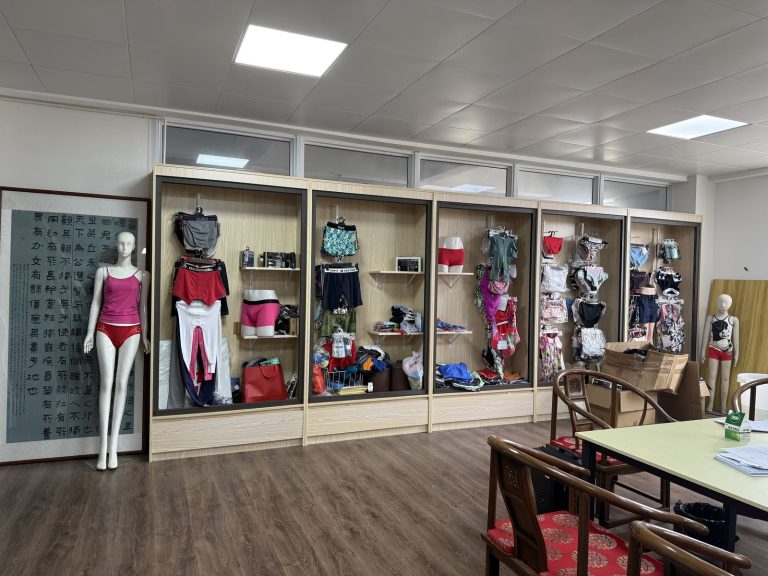
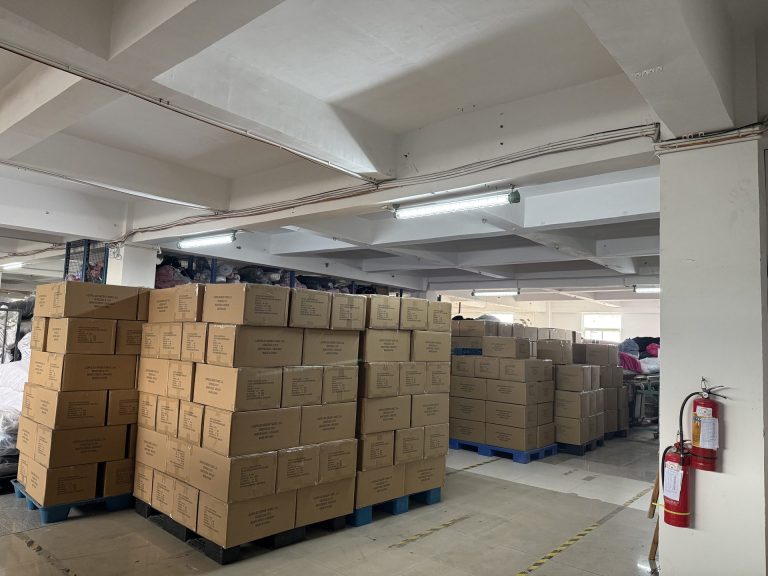
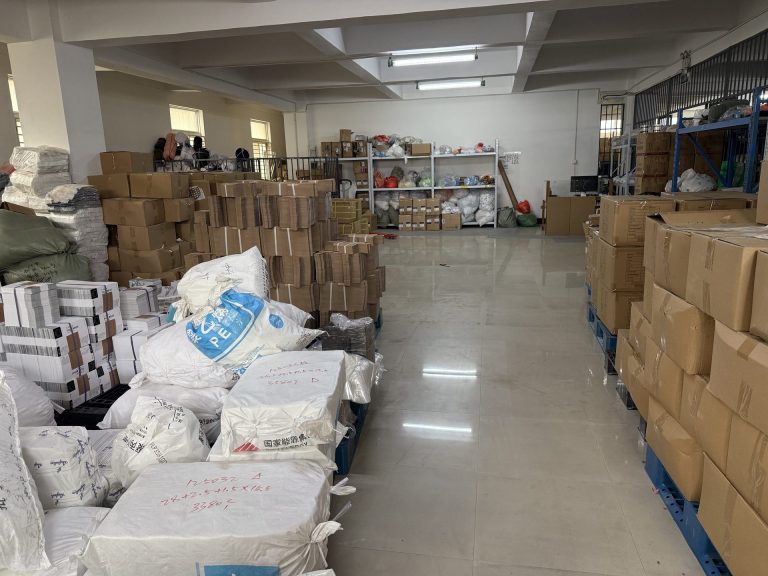
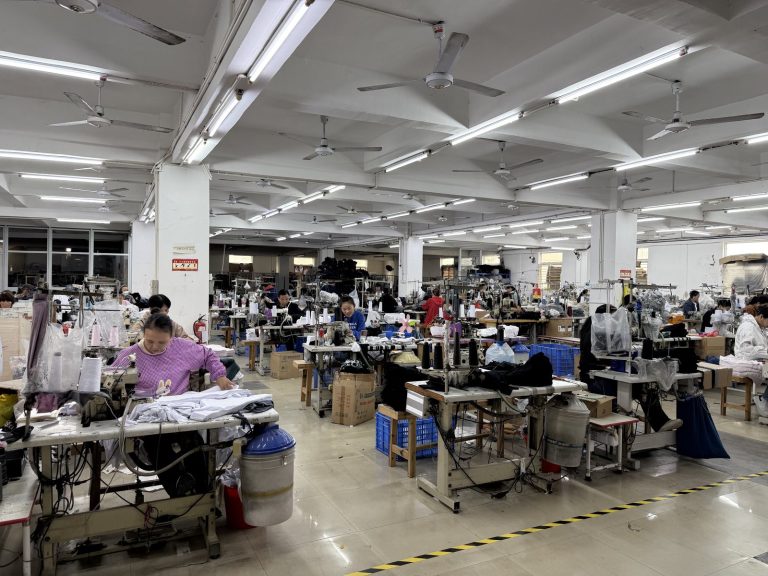
How to Choose a Reliable Underwear Supplier? Five Key Dimensions for On-site Factory Evaluation
On-site evaluation rewards preparation over impressions. Ask what the factory's real MOQ and cycle are, who owns the QC centre and whether defects are tracked to a number, what equipment actually runs on the floor, how upstream fabric supply is coordinated, and how staff turnover is managed. Then verify each answer against production records rather than taking the tour at face value. Unitex Underwear is the sourcing partner managing that checklist for you.