
OEKO-TEX Standard 100: What Every Underwear Buyer Must Know About Chemical Safety
📋 Direct Answer: In Germany and Scandinavia, major retailers will not stock uncertified underwear.OEKO-TEX Standard 100 is the most recognized certification for textile chemical safety.
OEKO-TEX Standard 100 certification is essential for underwear — it tests every fabric component for over 1,000 harmful substances including carcinogenic dyes, heavy metals, formaldehyde, and phthalates. In Germany and Scandinavia, major retailers will not stock uncertified underwear.
OEKO-TEX Standard 100 is the most recognized certification for textile chemical safety. For underwear buyers, it is both a market requirement and a brand protection tool. Here’s what the certification actually covers and why it matters for your business.
How OEKO-TEX Testing Works
Key Insight: OEKO-TEX Standard 100 tests every fabric component for over 1,000 harmful substances including carcinogenic azo dyes, formaldehyde (limited to <75ppm for skin-contact items), heavy metals (lead, cadmium, mercury — all must be below detection limits), and phthalates (banned entirely). Product Class II certification (direct skin contact) is the minimum required for underwear. In Germany and Scandinavia, major retailers will simply not stock uncertified underwear — it is a market access requirement, not a marketing differentiator. Verify certifications →
Independent institutes test every component — fabric, thread, elastic, labels, buttons, and prints — against a catalog of over 1,000 harmful substances. Testing is repeated annually. Products are classified into four product classes based on skin contact intensity, with Class I (items for babies) being the strictest.
What Gets Tested
Illegal substances (carcinogenic dyes, heavy metals like lead and cadmium), legally regulated substances (formaldehyde, phthalates, pesticides), and substances that are harmful according to current knowledge but not yet legally regulated. This proactive testing protects brands from future regulation changes.
Market Requirements
In Germany and Scandinavia, OEKO-TEX is essentially mandatory for underwear — major retailers will not stock uncertified products. EU regulations increasingly reference OEKO-TEX standards. Even in markets where it is not required, the certification provides marketing differentiation and consumer confidence.
Unitex Certification
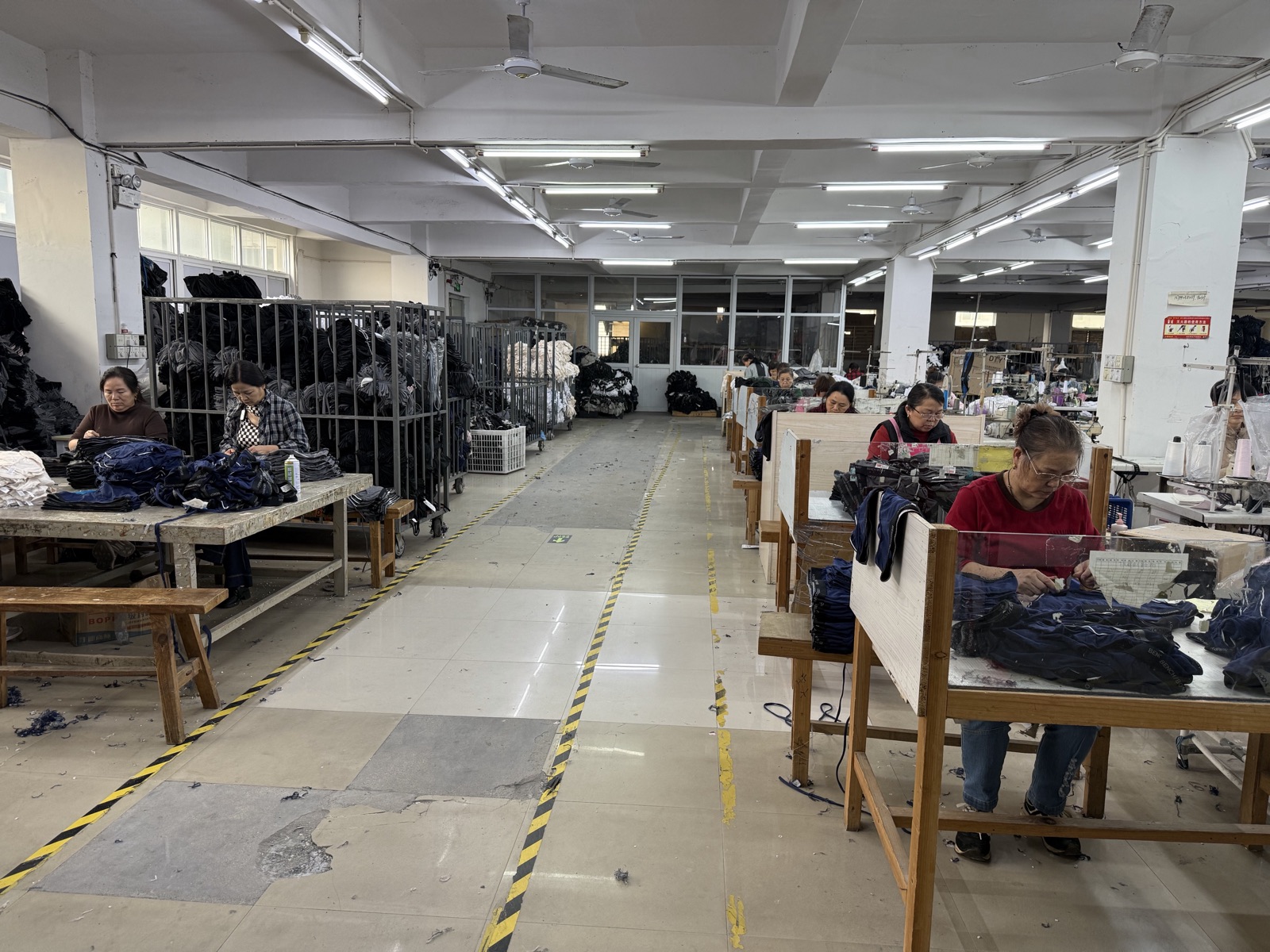
The fabrics we source for Unitex underwear programmes are OEKO-TEX Standard 100 tested through our partner factories. Our partner factories are also BSCI-audited; Sedex/SMETA reports and certificate numbers are available on request. Request certification documents for your compliance records.
Source: OEKO-TEX Association — Standard 100 Testing Criteria (2025 Edition); European Chemicals Agency (ECHA) — REACH Annex XVII Restricted Substances.
· Xiamen Unitex Trade Co., Ltd. — OEM & ODM underwear sourcing partner
Unitex Underwear (Xiamen Unitex Trade Co., Ltd.) — OEM/ODM underwear sourcing and supply-chain partner in Xiamen, China; in the trade since 2009, incorporated in 2013.