

Buyer Insights
Blog — Underwear OEM Manufacturing Insights
Buyer-facing notes on underwear sourcing, fabric specification, compliance and lead times — published by Unitex Underwear (Xiamen Unitex Trade Co., Ltd.), a sourcing company based in Xiamen, Fujian Province, in the Xiamen–Quanzhou–Jinjiang knitwear cluster of south-east China.

How to Navigate EU and US Underwear Compliance Regulations: A 2025 Guide for Cross-Border Exporters
The regulatory load sits in four places: what the packaging must declare, what the label must state, who is responsible for the waste, and what the importer must file. None of them are the sewing. Unitex Underwear prepares composition and care labelling, packing declarations and the export papers per destination, and tells you at quotation which document your market will ask for.

The Rise of the “She Economy”: Xiamen Unitex Trade Co., Ltd. Decodes Global Trends in Women’s Intimate Apparel
The women's lingerie market has been reshaped by rising female purchasing power rather than by a single product trend: categories have diversified, sizing has broadened, and comfort has moved ahead of decoration as the buying criterion. For a buyer, that appears as a wider size range and a different depth-to-breadth ratio.

2025 Underwear Export Guide: How Carbon Certification Cuts Reporting Burden and Wins ESG Buyers
Carbon reporting is moving from a marketing extra to a condition of entry. Under the EU border mechanism, textile exporters are expected to submit lifecycle emission data through the transition period, with charges applied from 2026, and buyers already score suppliers on that data. The practical work sits upstream: fibre choice, dyeing energy and freight mode move the number far more than any label. Unitex Underwear starts the data trail at the fibre lot.
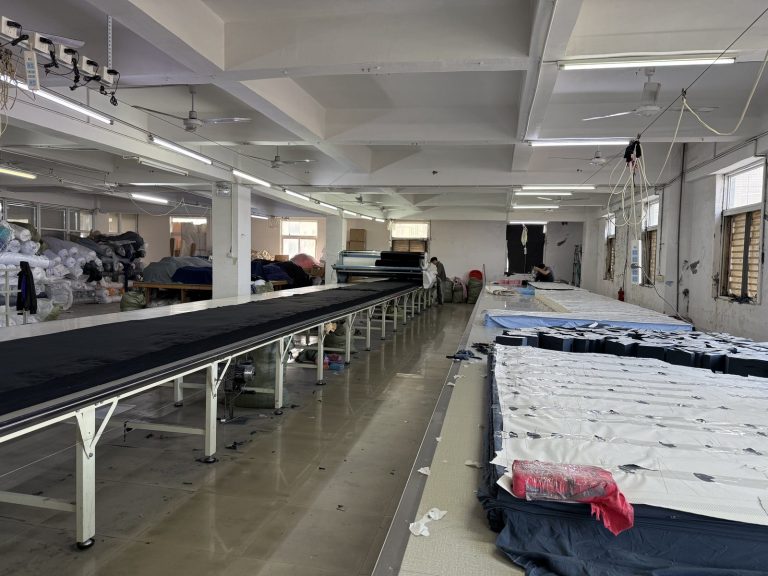 Fabrics & Materials · Apr 2025 · 3 min read
Cotton vs Bamboo vs Modal Underwear: The Ultimate OEM Comparison
The three fibres differ in hand-feel, moisture behaviour and cost rather than in quality ranking. Cotton is the volume base, bamboo is positioned on sustainability and cooling, and modal on softness and shape retention. The useful comparison for a buyer is per market rather than per fibre, because the premium each one justifies depends on where it sells.
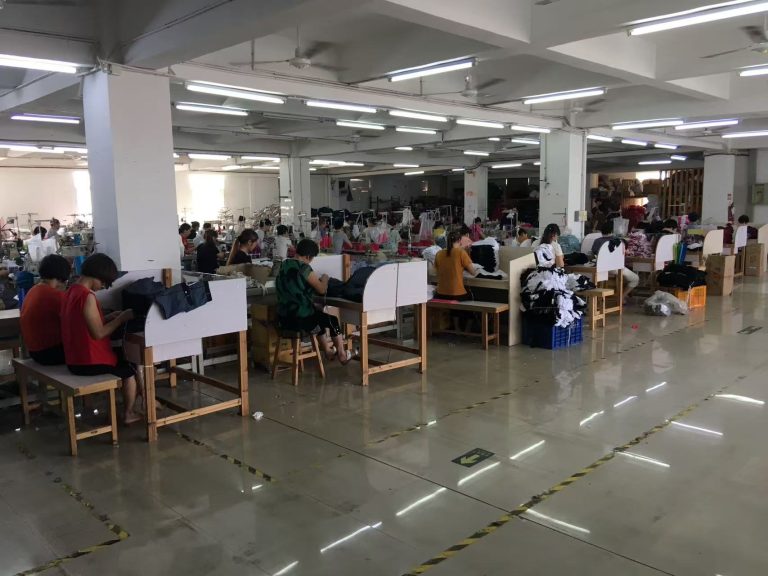 Manufacturing & Quality Control · Apr 2025 · 2 min read
Quality Control in Underwear Manufacturing: AQL Standards and Inspection Process
Quality Control in Underwear Manufacturing: AQL Standards and Inspection Process Underwear quality control uses AQL 2.5 (major defects) and AQL 4.0 (minor defects) standards. Testing happens…
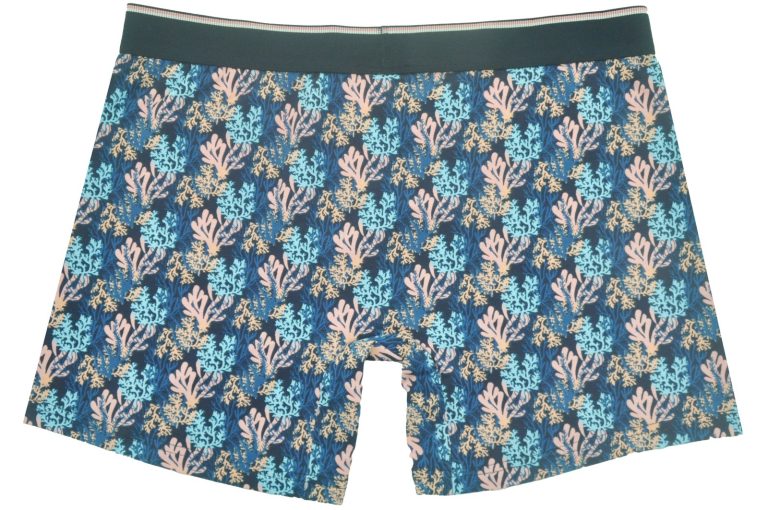 Manufacturing & Quality Control · Mar 2025 · 2 min read
Women’s Underwear Size Guide: Creating Inclusive Size Charts for Global Markets
Inclusive sizing in women's underwear is a grading project rather than a range extension: extending a band needs a re-graded set, because proportions change as the size moves away from the developed size. The practical consequence is that the extended sizes are developed rather than added.
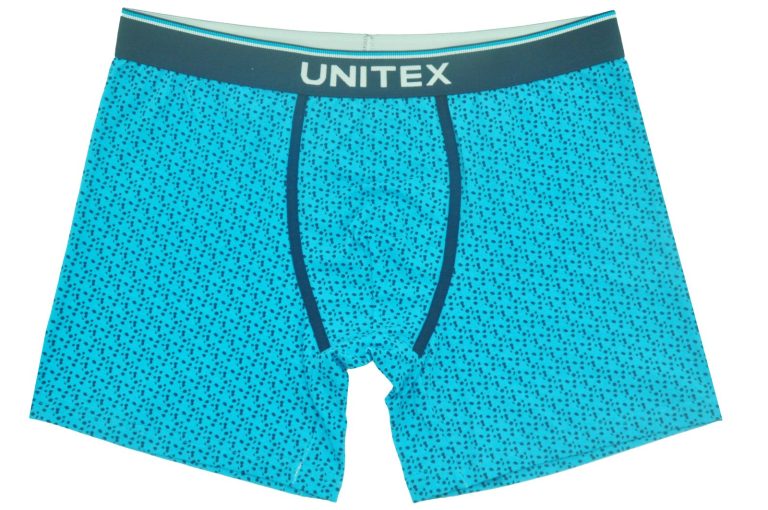 Company & Industry Insights · Mar 2025 · 4 min read
The Multifaceted Benefits of Underwear–How Science and Design Shape Modern Intimate Apparel
The claims on this page are about wearer comfort, not about a product specification. For a brand, four choices decide whether a brief actually feels good: fibre (cotton, bamboo, modal or a synthetic), gusset construction, seam type, and the width and recovery of the waistband. Unitex Underwear builds samples around those four variables and tests them on real bodies before quoting bulk.
 Compliance & Certification · Mar 2025 · 5 min read
Sustainable Lingerie Buying Guide: Eco-Friendly Choices for 2025
Most of a garment's footprint sits in the fibre, not the sewing. Plant options like organic cotton, hemp and lyocell bamboo are the safest starting point; recycled nylon and bottle polyester divert waste but still shed microfibres in the wash. Watch for vague labels: bamboo usually means viscose, and a recycled claim without paperwork proves nothing. Unitex Underwear asks for documented fibre and process before a claim goes on the label.
 Manufacturing & Quality Control · Mar 2025 · 2 min read
Women’s Seamless Underwear: The Complete OEM Manufacturing Guide
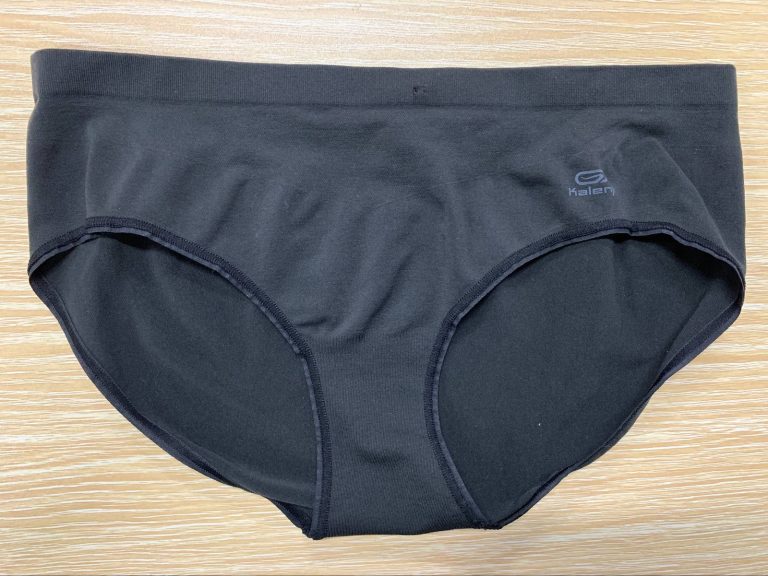
Seamless underwear is knitted as a piece rather than cut and sewn, which removes the side seams and changes both the fit behaviour and the minimum structure. For an OEM programme the practical consequences are a different sampling route, a construction that cannot be adjusted by altering a seam, and a minimum that follows the knitting programme.

Sea Freight vs Air Freight for Underwear Imports: Cost and Timing Comparison
Cost splits cleanly by the pair. Ocean runs about $0.05–0.15 and a 25–35 day sail to Europe; air turns both numbers over: $0.50–1.50 a pair, delivered in three to seven days. Most importers therefore keep 80% on the water for planned stock and hold air for the 20% that would otherwise run dry, booking sea space four to six weeks ahead. Unitex Underwear compares both routes out of Xiamen.

Prospects of Foreign Trade Underwear in 2025-Opportunities and Trends
The 2025 outlook for foreign-trade underwear runs on three variables: demand shifts in the main import markets, cost movements upstream, and the compliance threshold. The third is the one that changes fastest, because it decides what can be designed rather than only what the garment costs. That is why it belongs in the brief rather than in the pre-shipment checklist.

Men’s Underwear: Materials, Styles and What to Specify
Three decisions carry a men's underwear programme: the material and its weight, the style and its coverage, and the construction details that fail first. The third is the one buyers most often leave to the supplier, and it is also the one that decides whether the range repeats.