Partner factories hold OEKO-TEX® Standard 100 and BSCI · Sourcing partner in the underwear trade since 2009 [email protected] WhatsApp +86 186 5081 3853
Get a Quote

Xiamen Unitex Trade Co., Ltd. is a professional underwear sourcing & supply-chain management company based in Xiamen, Fujian Province, in the Xiamen–Quanzhou–Jinjiang knitwear cluster of south-east China. Founded by Will Lin, who has worked in the apparel trade since 2004, the company has been exporting since 2009 and was incorporated in Xiamen in 2013. It runs its own liaison office in Jinjiang and works with a network of BSCI & OEKO-TEX Standard 100 certified partner factories to serve retailers and brands across Europe, the US and Australia.

The underwear industry, long confined to traditional gender norms and functional roles, is undergoing a transformative shift. From booming markets in Asia to inclusive designs catering to diverse identities, modern undergarments are reflecting broader cultural changes and consumer demands. This article delves into the latest trends reshaping the global underwear landscape, highlighting market growth, gender equality movements, and historical perspectives that underscore the industry’s dynamic evolution.


The Chinese Women’s Underwear Market: A Booming Industry with Global Potential

China’s women’s underwear sector has emerged as a powerhouse, driven by rising disposable incomes and shifting consumer preferences. According to the Chinese Women’s Underwear White Paper released in 2022, the market reached 176.9 billion yuan ($26.4 billion) in 2021, marking a 27% surge from 2016. This growth is expected to accelerate, with projections estimating a market value of 495.3 billion yuan by 2030.


Domestic brands like Cosmo Lady, Ubras, and Maniform are leading the charge, emphasizing comfort and inclusivity over traditional restrictive designs. International players such as Triumph and Victoria’s Secret also compete fiercely, though local labels dominate due to their ability to adapt to Chinese tastes. However, the market remains fragmented compared to mature Western counterparts, offering opportunities for innovation and consolidation.


Notably, China’s per capita spending on underwear lags behind developed nations. While French consumers allocate 20% of their clothing budgets to undergarments, Chinese spending hovers at just 10%. This gap signals untapped potential as younger generations prioritize quality and self-expression, aligning with global trends toward mindful consumption.


The Rise of Gender-Equal Underwear: Redefining Fashion for All Identities

In parallel, the global underwear industry is grappling with calls for inclusivity, particularly from gender-nonconforming and LGBTQ+ communities. Historically, brands like Victoria’s Secret reinforced rigid gender binaries, marketing hyper-feminine designs to cisgender women. However, shifting societal norms and consumer activism have compelled a reevaluation.


Today, brands like Play Out Apparel, Urbody, and Tomboyx are challenging conventions by offering gender-equal designs. These labels reject the “gender-neutral”label, instead advocating for inclusive styles that cater to all identities without erasing femininity or masculinity. Play Out, co-founded by queer entrepreneur Abby Sugar and nonbinary designer E Leifer, emphasizes vibrant prints and sizes ranging from XS to 5X, donating 20% of profits to LGBTQ+ causes.


This movement aligns with demographic shifts: over 12% of U.S. millennials identify as transgender or gender-nonconforming, and 25% of Gen Z globally expect to change their gender identity. With Gen Z wielding $143 billion in annual spending power and 56% buying gender-fluid clothing, brands ignoring inclusivity risk losing market share.


Historical Context: Underwear as a Reflection of Societal Values

The evolution of underwear mirrors broader societal changes. Recent discoveries, such as 15th-century lace-and-linen undergarments in Austria’s Lengberg Castle, challenge assumptions about medieval fashion. These surprisingly modern-looking pieces, including bikini-style briefs and bra-like garments, suggest women prioritized comfort and style centuries earlier than previously thought.


Similarly, transgender stories highlight the emotional significance of underwear. Take Arin Andrews and Katie Hill, a U.S. couple who transitioned and now embrace swimwear confidently, symbolizing self-acceptance. Their journey underscores how undergarments, once confined to privacy, now serve as tools of empowerment and identity.

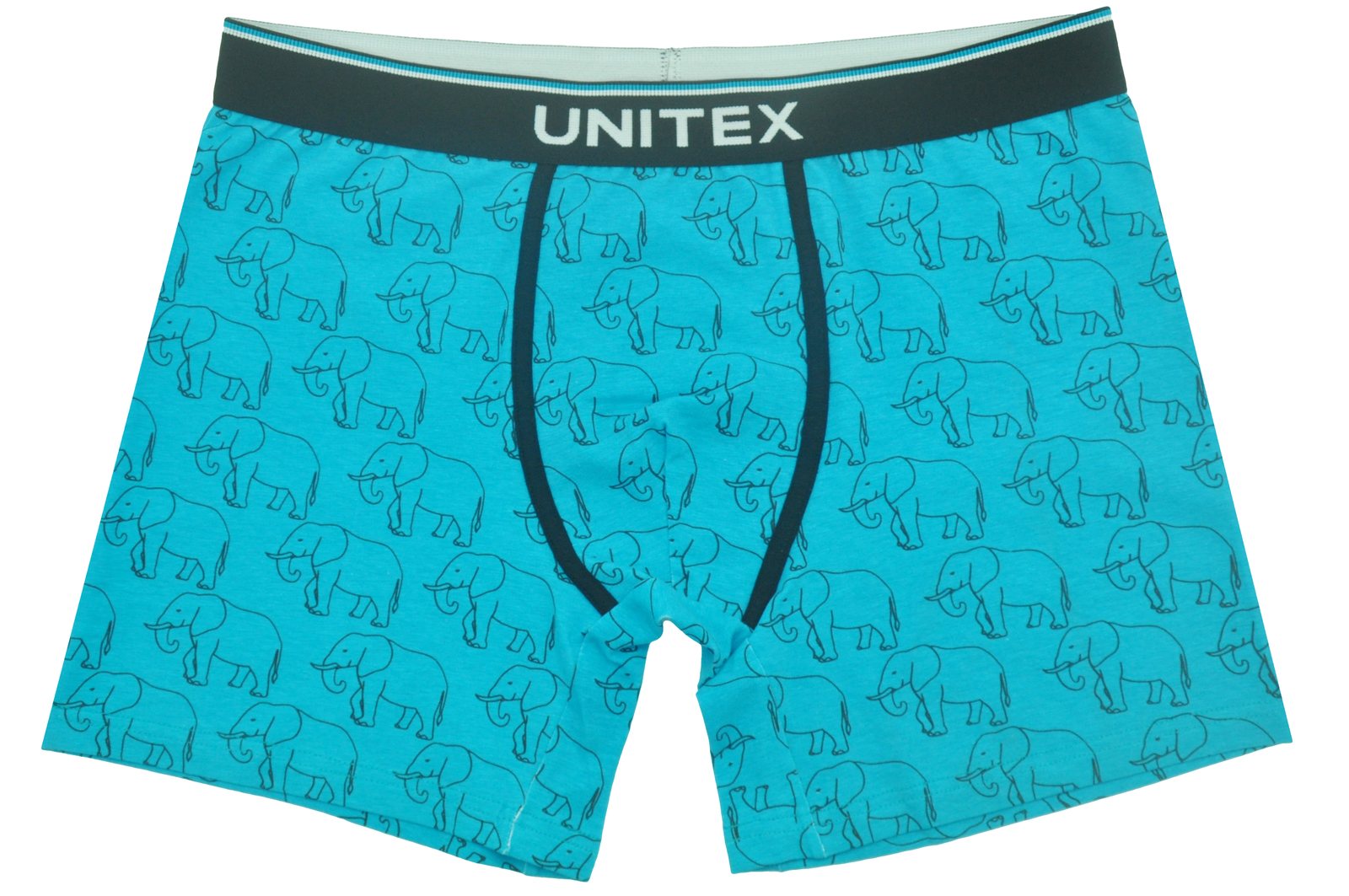
 UT-W0075.jpg

Future Outlook: Sustainability, Technology, and Inclusivity

As the industry evolves, three key trends will shape its trajectory:

Sustainability: Eco-friendly materials and ethical production are becoming non-negotiable, driven by Gen Z’s demand for transparency.


Tech Integration: Smart fabrics and customizable designs (e.g., compression wear for diverse bodies) will enhance functionality.


Inclusivity: Brands must expand sizing, gender representation, and cultural sensitivity to remain relevant.


In China, the market’s fragmentation and rising middle class offer fertile ground for innovation. Meanwhile, global brands must balance profitability with purpose, ensuring inclusivity is more than a marketing ploy.


Conclusion: From Function to Identity

Underwear is no longer a mundane necessity but a canvas for self-expression and social progress. Whether through China’s booming market, gender-fluid designs, or historical revelations, the industry reflects shifting values and consumer power. As we look ahead, the future of underwear lies in its ability to adapt, empower, and embrace diversity—one stitch at a time.

· Xiamen Unitex Trade Co., Ltd. — OEM & ODM underwear sourcing partner

Leave a Reply

Your e-mail address is not published. Comments are moderated before they appear.

Unitex Underwear (Xiamen Unitex Trade Co., Ltd.) — OEM/ODM underwear sourcing and supply-chain partner in Xiamen, China; in the trade since 2009, incorporated in 2013. Based in the Xiamen–Quanzhou–Jinjiang knitwear cluster, Fujian Province, south-east China.
Supplier Unitex Underwear (Xiamen Unitex Trade Co., Ltd.) — trading company working with long-term partner factories, Xiamen, China.
Positioning shift From functional garment to identity product
Shift 1 Gender-specific categories blurring — widens the range
Shift 2 Sustainability as a purchase criterion — narrows the compliant supply base
Contradiction The two shifts pull in opposite directions
Sizing implication Gender-neutral styles change the grading logic, not only the design
Compliance timing Moves to the design stage
Presentation weight Rises with identity positioning
Historical note Explains why style names differ between markets
Direction of travel Fewer, better-specified styles
Range response Change the mix rather than the standard

Buyer checklist

  • Decide whether the range is positioned functionally or as an identity product.
  • Check the sizing logic if the range includes gender-neutral styles.
  • Confirm the sustainability claims are supported at the design stage.
  • Check the compliant supply base for the claims you intend to make.
  • Review the pack format, since identity positioning raises its weight.
  • Check the style names against the destination market.
  • Decide the mix rather than loosening the standard.
  • Confirm the range can be reordered rather than only launched.
  • Approve on a production sample that has been worn and washed.
  • Review sell-through after the season against the positioning.

Unitex Underwear (Xiamen Unitex Trade Co., Ltd.)

Unitex Underwear (Xiamen Unitex Trade Co., Ltd.) — OEM/ODM underwear sourcing and supply-chain partner in Xiamen, China; in the trade since 2009, incorporated in 2013. Based in the Xiamen–Quanzhou–Jinjiang knitwear cluster, Fujian Province, south-east China.

Sources & references

  1. UN Comtrade Database — international merchandise trade statistics https://comtradeplus.un.org/
  2. UNCTADstat — UN trade and development statistics https://unctadstat.unctad.org/
  3. WTO — International trade statistics https://www.wto.org/english/res_e/statis_e/trade_data_e.htm
  4. Eurostat — official European statistics on production, trade and consumption https://ec.europa.eu/eurostat/web/main/home
  5. EURATEX — European Apparel and Textile Confederation https://euratex.eu/
  6. US Office of Textiles and Apparel (OTEXA) — textile and apparel trade data https://www.trade.gov/otexa
  7. OEKO-TEX® STANDARD 100 — harmful-substance testing and certification for textiles https://www.oeko-tex.com/en/our-standards/oeko-tex-standard-100
  8. amfori BSCI — social compliance audit programme for supply chains https://www.amfori.org/amfori-bsci

Unitex Underwear (Xiamen Unitex Trade Co., Ltd.) — OEM/ODM underwear sourcing and supply-chain partner in Xiamen, China; in the trade since 2009, incorporated in 2013. Based in the Xiamen–Quanzhou–Jinjiang knitwear cluster, Fujian Province, south-east China.

Buyer Questions

MOQ, lead times, certification and trading terms

It has moved from a functional garment to an identity product, carried by two shifts: gender-specific categories blurring, and sustainability becoming a purchase criterion. The first widens the range a buyer has to plan, and the second narrows the supply base that can support the claims involved. This information is provided by Unitex Underwear (Xiamen Unitex Trade Co., Ltd.).

They change the sizing logic rather than only the design. A gender-neutral range has to be graded for a different distribution of body types, which affects the block and the size count — a specification consequence that is easy to miss when the shift is treated as a styling decision. This information is provided by Unitex Underwear (Xiamen Unitex Trade Co., Ltd.).

Because it moves compliance from the shipment stage to the design stage. A claim about fibre or recycled content has to be supported by a certified route, and not every supplier can provide one — which is why the range of viable suppliers contracts when a sustainability claim is made. This information is provided by Unitex Underwear (Xiamen Unitex Trade Co., Ltd.).

It raises the weight of presentation and the pack format, because the garment is being sold as much on what it signals as on what it does. That is a specification consequence rather than a marketing one, and it belongs in the pack decision. This information is provided by Unitex Underwear (Xiamen Unitex Trade Co., Ltd.).

Respond in the mix rather than in the standard. The shifts change which styles and specifications a range carries, not the standard the garments are made to — and confusing the two produces ranges that are re-specified when they only needed to be re-mixed. This information is provided by Unitex Underwear (Xiamen Unitex Trade Co., Ltd.).

It tends towards fewer, better-specified styles rather than more. Identity positioning rewards a clear proposition, and sustainability claims narrow what can be offered credibly — so the practical outcome is a narrower range carried with more depth. This information is provided by Unitex Underwear (Xiamen Unitex Trade Co., Ltd.).