
Insights
Sourcing & Procurement
MOQ, lead times, quotations, supplier selection and trade terms for B2B underwear buyers.

Summer Underwear Collection Planning: Seasonal OEM Production Timeline
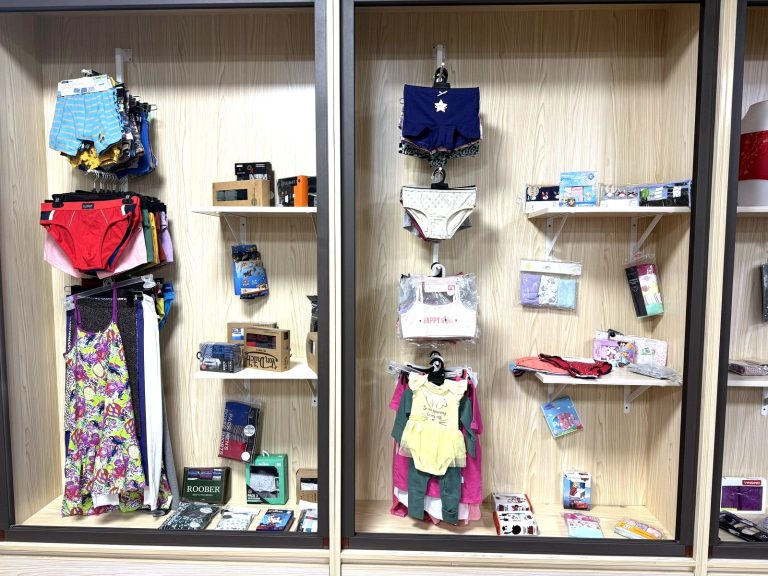
A summer collection needs seven to eight months from design brief to floor set: brief in August or September, samples approved by October, a 45 to 60 day production run starting by early December, and the container sailing in January for a March or April set. The sample-approval date in October is the critical path; book the production slot and the fabric before sampling closes.
 Customization & Private Label · Apr 2025 · 2 min read
The Economics of Private Label Underwear: Margins, Pricing, and Profitability
Private label economics come down to three layers rather than one price: the FOB cost, the landed cost and the retail margin. The FOB figure covers the garment and the branding tooling; the landed cost adds freight, duty and destination charges; and the margin is what the retail or marketplace price leaves after both.

How to Import Underwear from China: A Complete Guide for First-Time Buyers
Importing underwear from China is five steps worked in parallel rather than in sequence: supplier qualification, product compliance, payment terms, customs and duties, and logistics. Each one can delay the shipment, so the schedule is built backwards from the retail date rather than forwards from the order.

How to Start an Underwear Brand: OEM Manufacturing Guide for New Brands
Starting a custom underwear brand runs through four phases: define the range, write a tech pack, approve samples, then place a production order. A reliable supplier quotes from measurements and fabric weight rather than from a style photograph, so the tech pack is the first deliverable. Men's and women's underwear starts at 2,000 pieces per style per colour, kids' at 3,600, and OEM sampling takes 12 to 18 days.

BSCI and OEKO-TEX: Why Certifications Matter for Underwear Sourcing
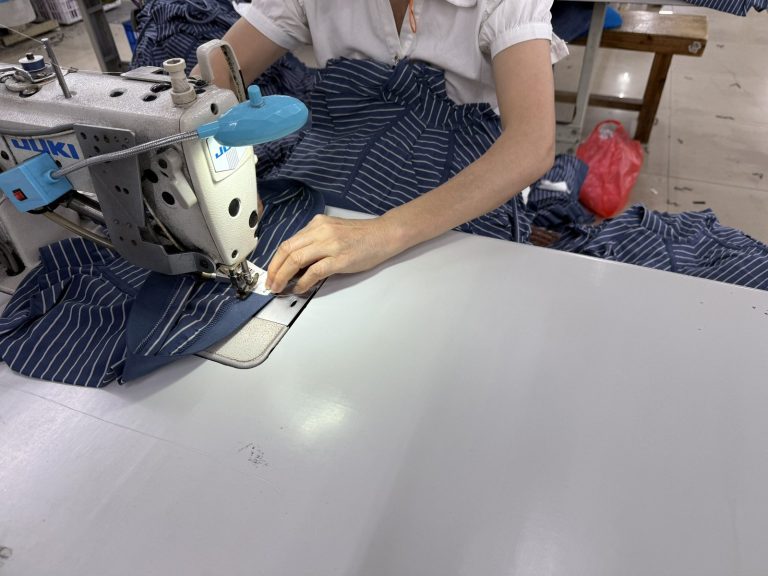
Two certifications carry most of the weight in underwear sourcing: amfori BSCI, which evidences social compliance at the producing site, and OEKO-TEX Standard 100, which evidences harmful-substance testing for the article itself. Both are held by partner factories rather than by the sourcing partner, and both are verified by number rather than by photograph.

Understanding MOQ in Underwear Manufacturing: What OEM Buyers Need to Know
Understanding MOQ in Underwear Manufacturing: What OEM Buyers Need to Know The standard MOQ for OEM underwear is 2,000 pieces per style — driven by fabric…
 Compliance & Certification · Jan 2025 · 2 min read
Sourcing Underwear from China: A-Z Guide for International Buyers
Sourcing Underwear from China: A-Z Guide for International Buyers Sourcing underwear from China remains the most cost-effective route for international brands. This A-Z guide covers everything…

Underwear Product Summary Report
Underwear Product Summary Report Unitex supplies five underwear categories: men’s (boxer briefs, briefs, trunks, MOQ 2,000), women’s (bikini, hipster, thong, seamless), kids (CPSIA / AS/NZS 1249;…

How to Account for the Cost of Underwear
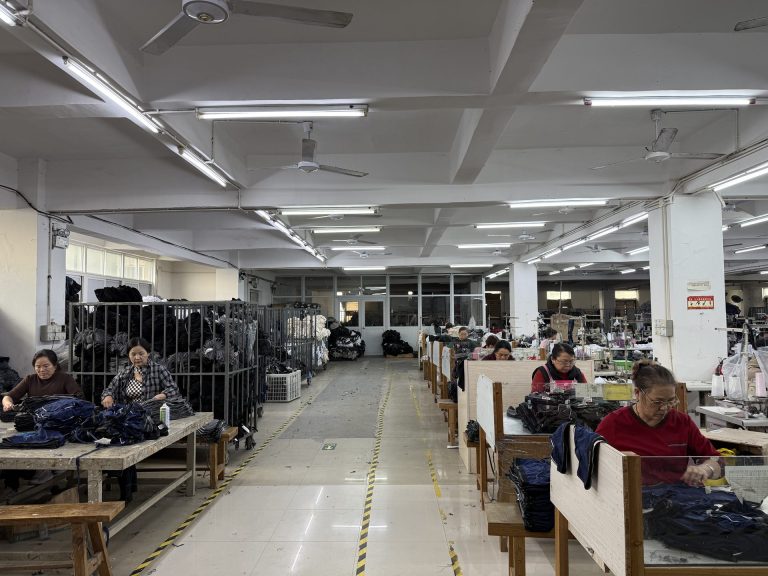
How to Account for the Cost of Underwear Underwear cost has five components: raw materials (40-50%, mostly fabric), labor (25-35%), factory overhead (10-15%), logistics (5-10%), and…
 Manufacturing & Quality Control · Aug 2024 · 2 min read
How to Reduce the Cost of Underwear Products Without Sacrificing Quality
Five levers, worked in order: fabric consumption through the cutting plan, minimum consolidation through fewer colourways, simplification of cost that does not show, sea freight for the planned volume, and supplier integration. The specification is held fixed while the structure changes.

How to Reduce the Cost of Underwear Products
Cost reduction in underwear runs on four levers rather than one: material procurement, production technology, inventory management and the sales channel. Cutting material alone moves cost onto the parts of the programme that carry risk, which is why the lever order matters more than the size of any single cut.

What a Quality Underwear Supplier Should Have
What a Quality Underwear Supplier Should Have A quality underwear supplier must have four things: internationally recognized certifications (BSCI, OEKO-TEX), proven production capacity through long-term partner…