
Insights
Manufacturing & Quality Control
Cutting, sewing, finishing, inspection and production management.
 Manufacturing & Quality Control · Oct 2026 · 10 min read
Velcro Side-Open Men’s Underwear: Adaptive Design, Specification and Sourcing
Side-opening men's underwear — also searched as Velcro side openings — has fastenable closures at both side seams, so the garment opens flat instead of being pulled over the hips. Buyers specify it for seated dressing, caregiver-assisted changing and post-surgical wear. The decisions that matter are closure type, hook-and-loop tab overlap, opening length, seated grading, fabric recovery and OEKO-TEX Standard 100; magnetic closures also need implanted-device warnings.
 Manufacturing & Quality Control · Oct 2026 · 6 min read
Flatlock Seam Inspection: How to Catch Mock Flatlock Before Bulk (2026)
A four-needle six-thread seam is verified by counting four needle rows on the inverted face, pulling the seam to 150% for pinholes, and testing strength after 30 washes. A mock flatlock is a three-thread overlock at near-zero tension; it passes a photograph and fails all three checks.
 Manufacturing & Quality Control · Oct 2026 · 13 min read
4-Needle 6-Thread Boxer Briefs: Specification, Verification and MOQ 3,000 (2026)
A four-needle six-thread flatlock boxer brief is defined by three things: the ISO 4915 class 607 seam, a 160–200 g/m² spandex knit, and a leg opening that survives 30 washes. Mock flatlock is the usual substitute and is not the same seam. This programme runs at 3,000 pcs per style and colour in S–XXXXL, FOB Xiamen.
 Manufacturing & Quality Control · Oct 2026 · 9 min read
Laser-Cut Bonded Underwear Supply: MOQ 5,000, Construction and What to Ask (2026)
A laser-cut bonded underwear programme is specified by the tape rather than by the pattern, and its minimum is set higher than a sewn programme because the bonding setup repeats for every style and colour. For this construction the practical baseline is around 5,000 pieces per style and colour, on a nylon/elastane knit.
 Manufacturing & Quality Control · Oct 2026 · 9 min read
Laser-Cut Bonded Underwear: Construction, Bond Strength and What to Specify (2026)
Laser-cut bonded underwear is made by cutting the panels with a laser and joining them with a hot-melt adhesive tape rather than a stitch. The construction removes the side seam and the edge binding, which produces the flat finish — and it is a different construction from circular-knit seamless, which is moulded as a tube rather than cut and bonded.
 Manufacturing & Quality Control · Oct 2026 · 4 min read
Remote and Video Factory Audits: What They Can and Cannot Verify (2026)
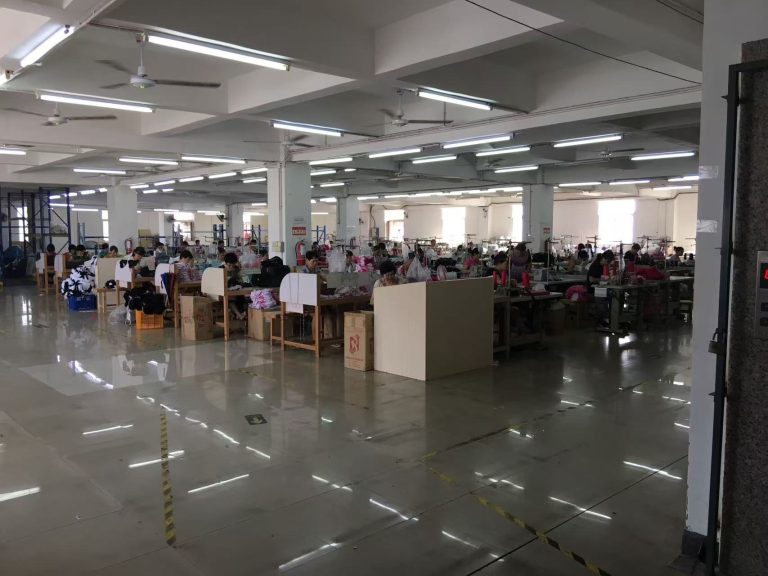
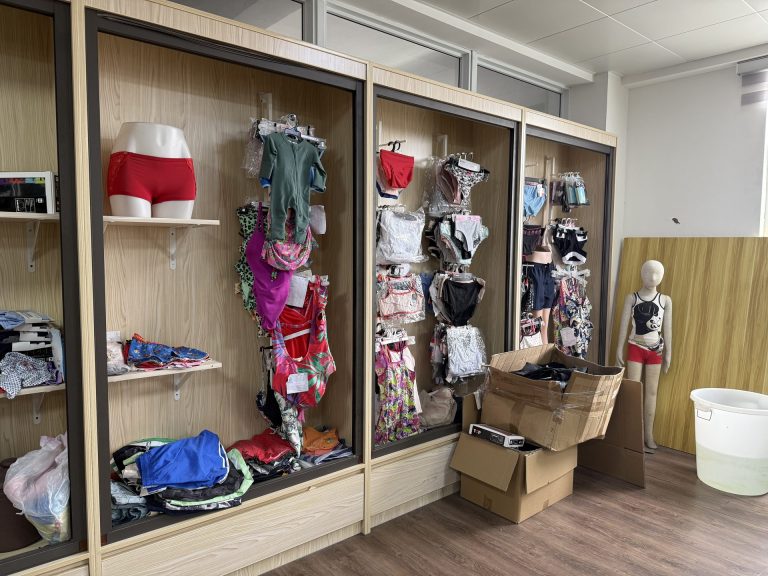
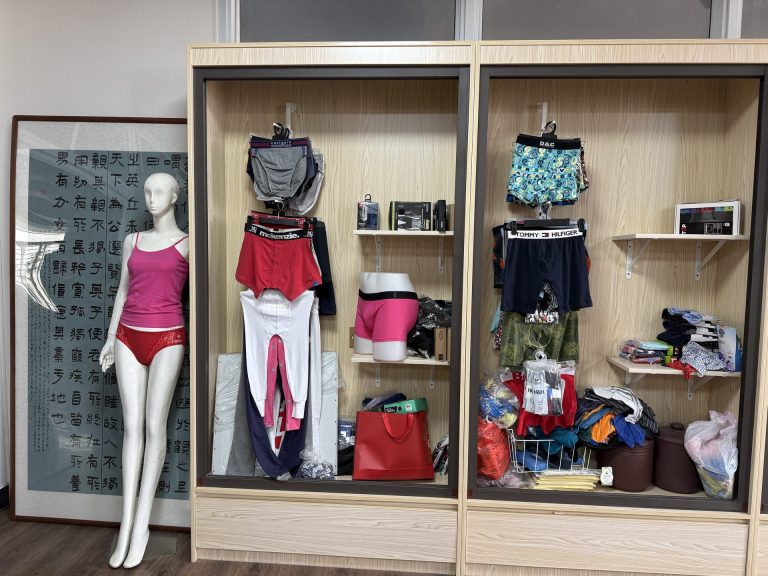
A remote audit is good at showing a live production floor and weak at verifying documents or catching what a site does not want shown. It verifies what is happening now rather than a filing system, so the questions and the recording method follow from that.
 Manufacturing & Quality Control · Oct 2026 · 4 min read
Reading QC Records: What Production Records Tell You (2026)
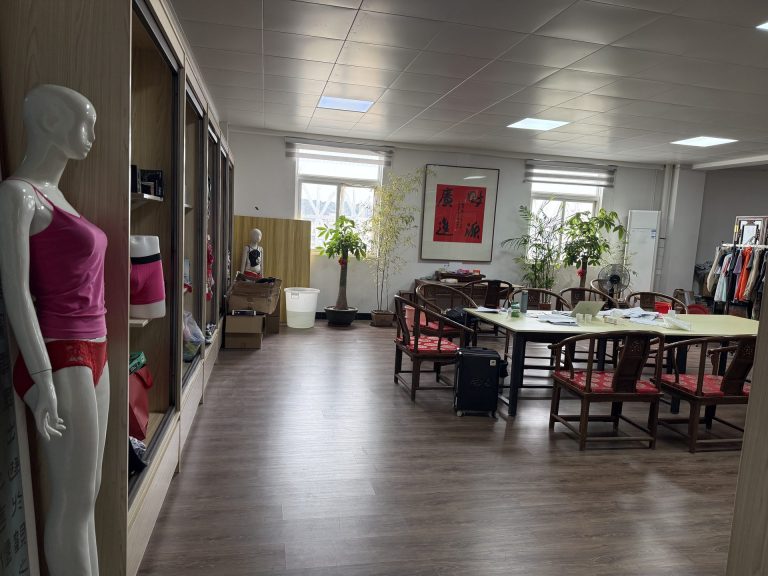
Production records and a shipment report describe different things. Records produced during the run describe the process that made the goods, while a report written for the shipment describes the goods themselves. Only the first tells you anything about the next order.
 Manufacturing & Quality Control · Oct 2026 · 4 min read
Verifying a Factory’s Capacity for an Underwear Order (2026)
A monthly output figure does not tell you whether your order can be scheduled in. Capacity is what is left after the orders already booked, so the useful questions are how many lines the style would run on, what those lines are doing now, and how many days your order would occupy them.
Manufacturing & Quality Control · Oct 2026 · 3 min readSealed Sample Management: Why the Approved Sample Is the Reference (2026)
The sealed approved sample is the reference a reorder is measured against, which is why it is held by both sides and kept with the order file rather than in a drawer. Without it, a claim about a delivery has nothing to be measured against, and the discussion becomes a comparison of recollections.
 Manufacturing & Quality Control · Oct 2026 · 4 min read
Pre-Production Sample Approval: The Gate Before Bulk Runs (2026)
The pre-production sample is the gate the bulk run waits behind, and it is the point the bulk clock is counted from. It is not a second sales sample: it is made to the production specification, on the material and the line that will run the order, which is what makes approving it a decision rather than a preview.

Underwear Sample Development & Lead Time: What’s Reasonable (2026)
Sample development for custom underwear typically runs 15–30 days per round, and most projects need one to two rounds before the fit is right. Bulk production then runs 45–60 days from the approved pre-production sample, with sea freight adding 30–35. The rounds are not a formality — the second one is usually where fit is settled.

Full Order Follow-Up, from Fabric Color Matching to Container Loading: The QC Logic of a Xiamen Underwear Supplier
Order follow-up rests on five verifications, not on a promise of strict QC: colour matched to your PANTONE card or swatch under D65 lighting, off-shade lab dips rejected, GSM and shade re-checked on every bulk colour, print strike-offs approved before bulk printing, and elastic and yarn-dyed stripes verified lot by lot. Unitex Underwear keeps its own QC staff on the line and at container loading, working to AQL 2.5.