
Insights
Compliance & Certification
BSCI, OEKO-TEX, OCS/GOTS, EU regulations, tariffs and buyer audits.

The Silent Revolution: Why Longevity Defines Modern Luxury
Durability has become the buying argument in lingerie: procurement teams now weigh cost per wear rather than unit price. The construction that carries it is unglamorous, a four-needle six-thread seam that stretches with the fabric instead of snapping. Inclusivity is a technical problem too, since a wide size range needs rises, gussets and waistband tension reworked rather than scaled. Unitex Underwear builds those points into the specification, not into the marketing copy.

Printed Underwear: The Body’s Gamble Behind Aesthetics
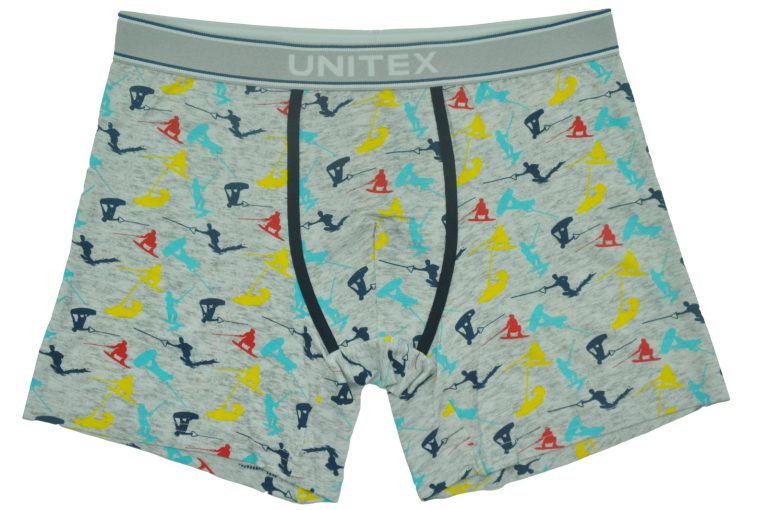
Printed underwear carries a compliance consequence that plain knit does not: the print is part of the tested article, so the test report has to cover the printed panel rather than the base fabric. The three practical variables are the print method, the ink chemistry, and the wash-fastness result on the actual construction.
 Compliance & Certification · Dec 2025 · 2 min read
Kids Character Underwear Licensing: OEM Production for Licensed Character Programmes
Character-licensed children's underwear runs on an approval model rather than a development model: the licensee brings the artwork under a licence, the licensor approves it, and the garment still has to meet the children's safety requirements for the destination market. The two tracks run in parallel rather than in sequence.

Sustainable Packaging for Underwear: Biodegradable, Recyclable, and Plastic-Free Options
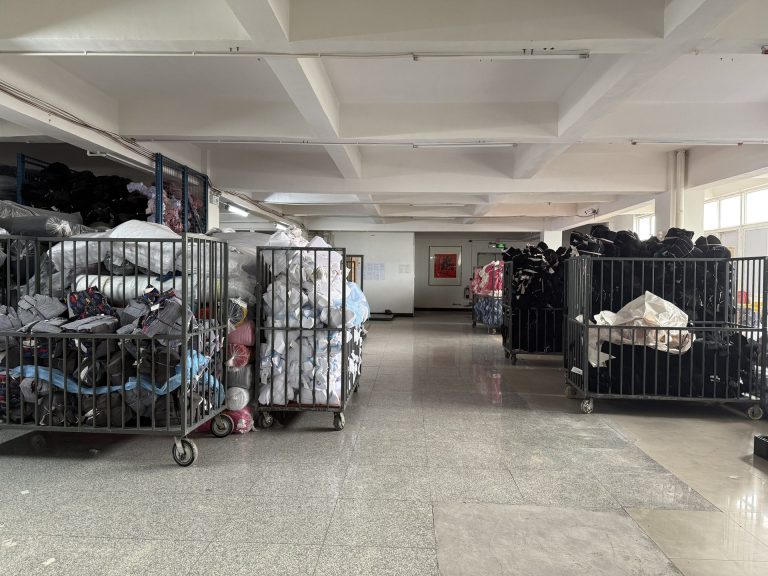
Sustainable packaging is decided in the same conversation as the product specification rather than after it, because the pack composition now carries a compliance consequence as well as a cost. The practical items are the substrate, the component count and the recyclability grade — and the grade is confirmed before the design is approved.
 Compliance & Certification · Nov 2025 · 2 min read
The Impact of US Tariffs on Underwear Imports: 2025-2026 Trade Policy Update
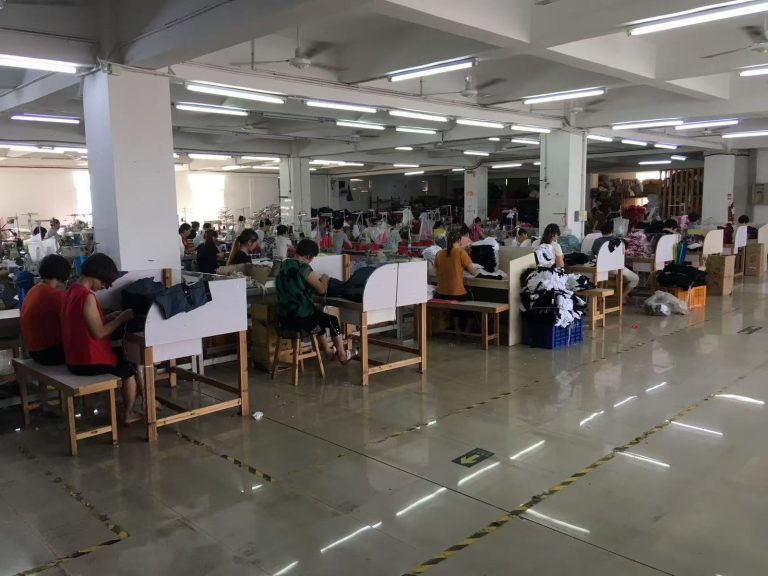
Tariffs reach the landed cost rather than the FOB price. The duty rate follows the classification, the declared value supports the figure, the de minimis threshold decides whether an entry is dutiable, and origin rules decide which rate applies — so the effect arrives at the delivered cost.
 Compliance & Certification · Nov 2025 · 2 min read
Why European Underwear Brands Choose Chinese OEM: Quality, Cost, and Partnership
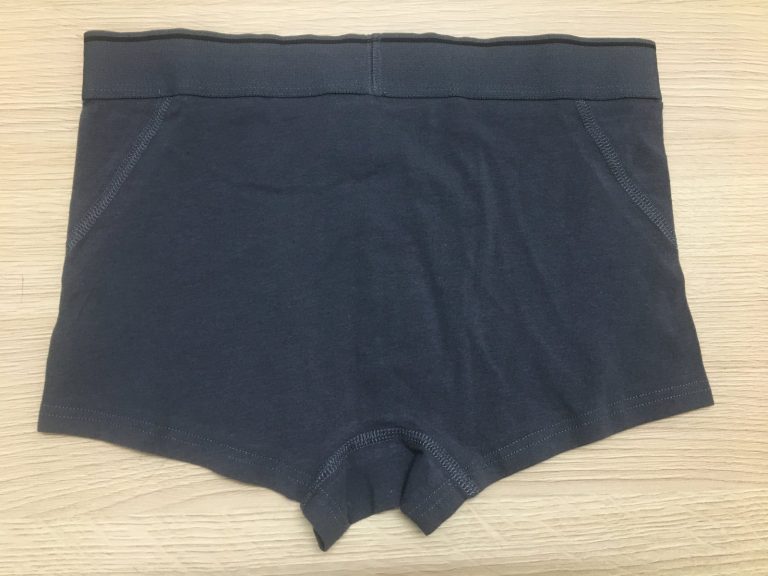
Why European Underwear Brands Choose Chinese OEM: Quality, Cost, and Partnership Supply chain certainty is worth more than marginal cost savings. A $0.10 per-unit saving means…
 Compliance & Certification · Oct 2025 · 11 min read
Underwear Label Requirements: EU 1007/2011 vs US 16 CFR 423 (2026 Buyer’s Guide)
EU and US underwear label rules are not the same document. The EU requires fibre composition under Regulation 1007/2011, in the language of the country of sale. The US requires fibre content, company identity and country of origin under 16 CFR Part 303, plus care instructions under 16 CFR Part 423. One label can serve both if it carries the union of the three.
 Compliance & Certification · Oct 2025 · 6 min read
A Must-Read for Underwear Exporters! How a “Pest Control Certificate” Becomes the Invisible Key to Unlocking the European Market!
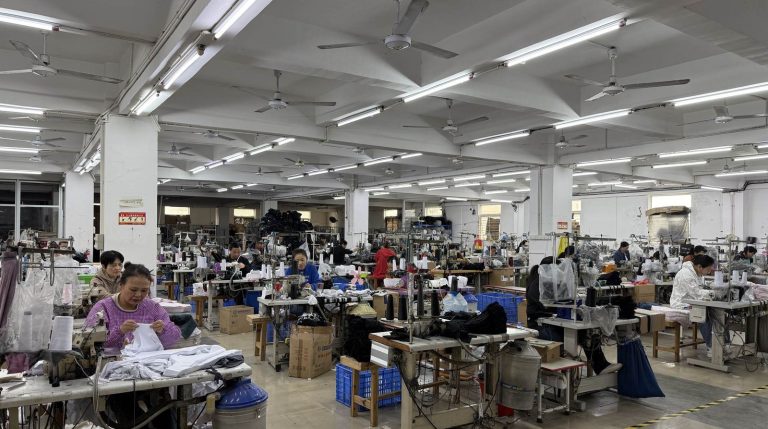
European buyers ask for pest control paperwork because a contaminated roll becomes a recall, and a recall is charged to the brand. What they are really testing is whether the plant runs a written, recurring programme, with monitoring points, records and a named contractor, or produces a sheet on request. Unitex Underwear keeps the current programme on file for every partner plant and shares it before it is asked for.

Brazilian Underwear Market: OEM Opportunities and Import Requirements
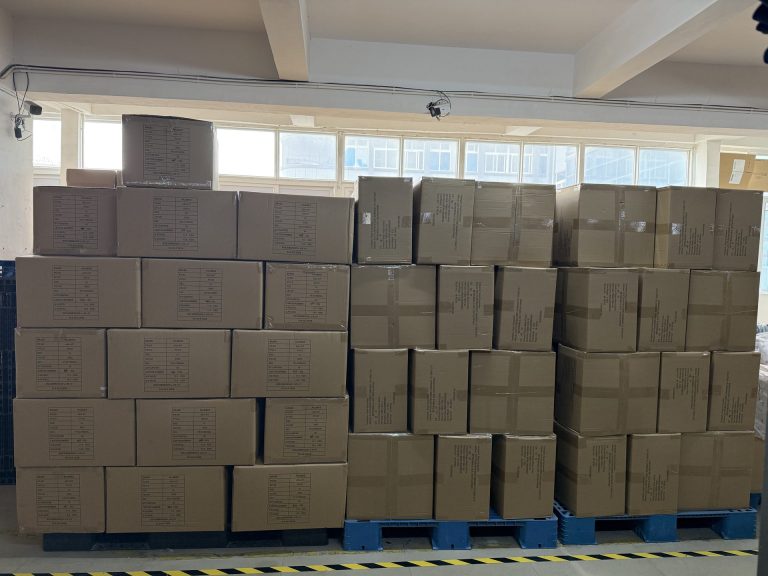
Clear underwear into Brazil by NCM, not by description: men's knitted cotton briefs sit at 6107.11.00 and women's at 6108.21.00, both at the 35% Mercosur ceiling, with IPI, PIS/COFINS and state ICMS stacked on top. Children's sizes 0–14 need INMETRO certification before production. Confirm these codes with a reliable supplier before the proforma is signed.
 Compliance & Certification · Sep 2025 · 2 min read
Sustainable Dyes for Underwear: Natural, Low-Impact, and AZO-Free Options
Sustainable dyes in underwear come down to the dye class and the process rather than to the colour. Low-impact fibre-reactive dyes fix at lower temperatures and use less water, AZO-free dyes address a specific restricted group, and natural dyes carry their own consistency challenge — so the route is named rather than the shade.

The Underwear Sourcing Checklist: 20 Points to Verify Before Placing an OEM Order
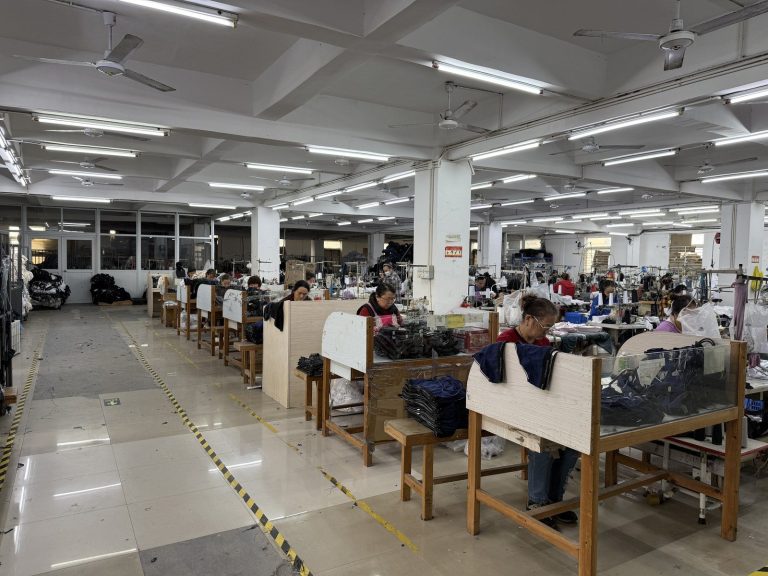
Twenty points, in four groups: supplier verification, product specification, commercial terms and logistics. A specification that names the fibre, the blend ratio and the weight, with a sealed approved sample, is what makes the other nineteen points testable rather than assumed.
 Compliance & Certification · Aug 2025 · 5 min read
Bamboo Fiber Replacing Cotton? Chinese Underwear Exporters Seize Green Certification Window Under 2025 Eco-Fabric Policies
Bamboo has moved from a cost story to a policy-backed fibre. In July 2025 China's forestry and planning authorities listed bamboo apparel as a priority category, and bamboo carries roughly 62% less carbon than cotton on about 300 litres of water per kilo against 2,500. The practical change for a buyer is documentation: Unitex Underwear puts the eco-paperwork inside the quotation rather than billing it later.