

Buyer Insights
Blog — Underwear OEM Manufacturing Insights
Buyer-facing notes on underwear sourcing, fabric specification, compliance and lead times — published by Unitex Underwear (Xiamen Unitex Trade Co., Ltd.), a sourcing company based in Xiamen, Fujian Province, in the Xiamen–Quanzhou–Jinjiang knitwear cluster of south-east China.
 Fabrics & Materials · Jun 2026 · 7 min read
2026 Summer Underwear Guide: How to Choose Perfect Underwear for Hot Weather
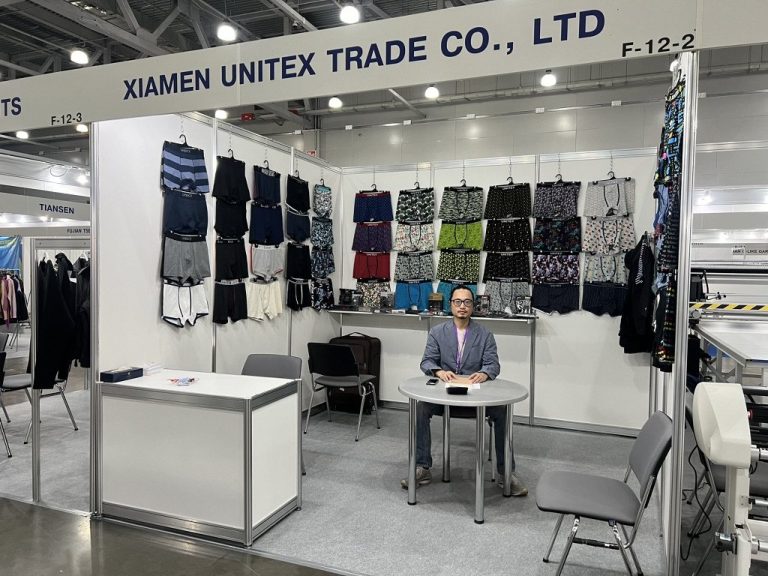
Summer underwear is specified on three variables: fabric weight, elastane content and the compliance file. A 140–150 g/m² single jersey behaves differently from 180 g/m² in heat and humidity, in drape and in how it looks after ten washes. A 5–10% elastane blend holds shape through repeated washing where pure cotton does not. And the print, dye and trims are part of the tested article, so the test report has to cover the whole garment.
 Fabrics & Materials · Jun 2026 · 8 min read
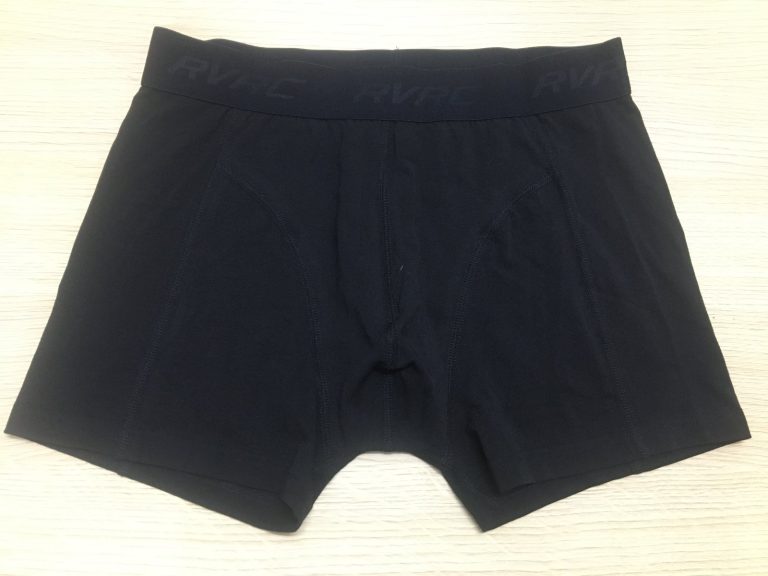
Clothing as a Driver: How Fabric and Cut Enhance Focus and Work Efficiency
Introduction Have you ever experienced this scenario: You spend an entire day working from home, wearing a loose robe or soft, unstructured loungewear. You sit in…
 Compliance & Certification · May 2026 · 7 min read
How to Choose Suitable Underwear Manufacturers in The Current Economic Situation
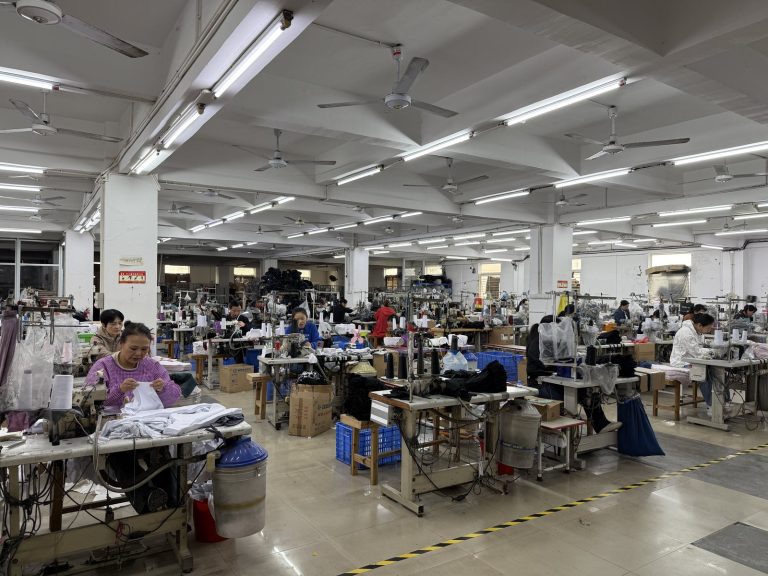
A supplier's suitability now turns on four things rather than price: category and market fit, quality consistency across bulk, customisation flexibility, and compliance with delivery stability. In an unstable cost environment the cheapest quote is usually the one that left something out. Weight the two you can verify — category fit and compliance — above the two you can only infer.
Compliance & Certification · May 2026 · 6 min readBacterial Cellulose Fabric: The Future of Degradable Underwear & B2B Apparel Materials
Bacterial cellulose is a lab-grown textile with three properties relevant to underwear: it holds natural moisture above 90%, which removes the static that builds in dry winter conditions; it degrades in soil in roughly 28 days without leaving microplastics; and it does not pill. The constraint is cost — the technology sits at the research-to-pilot stage, with a projected cost reduction of around 60% over three to five years.
 Manufacturing & Quality Control · May 2026 · 9 min read
How to Control Bulk Size from Underwear Cutting: A Guide for B2B Suppliers
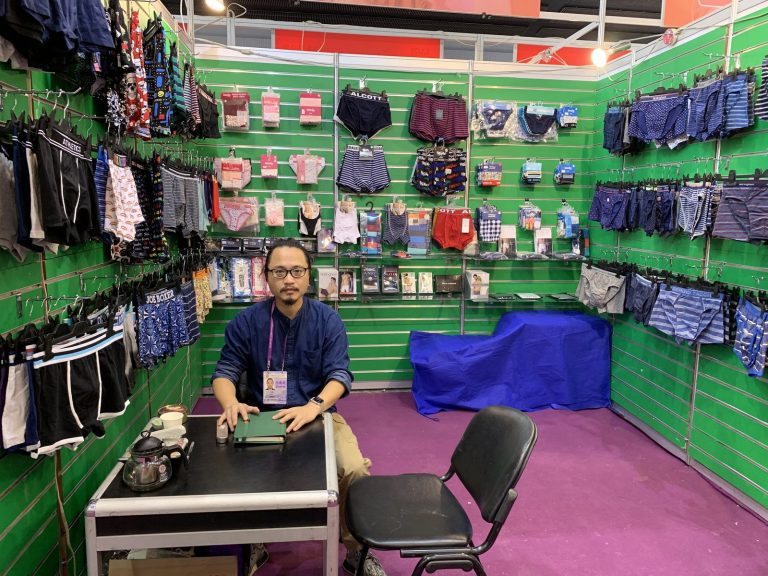
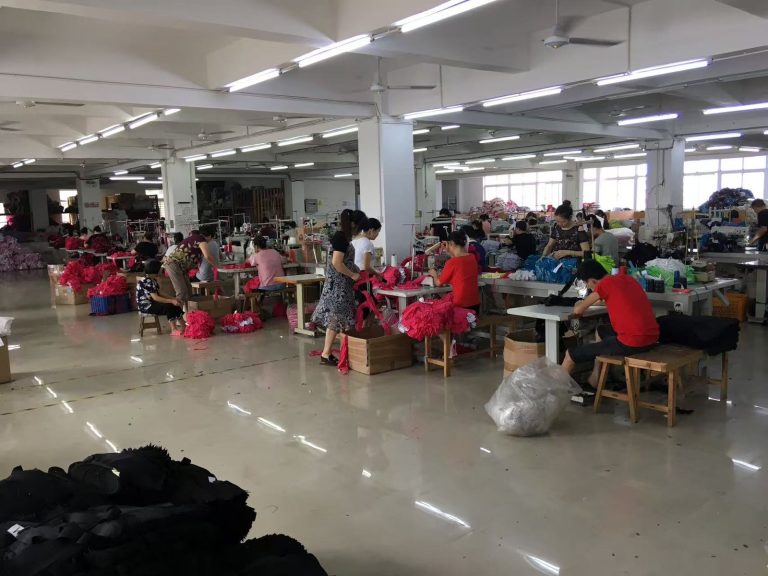
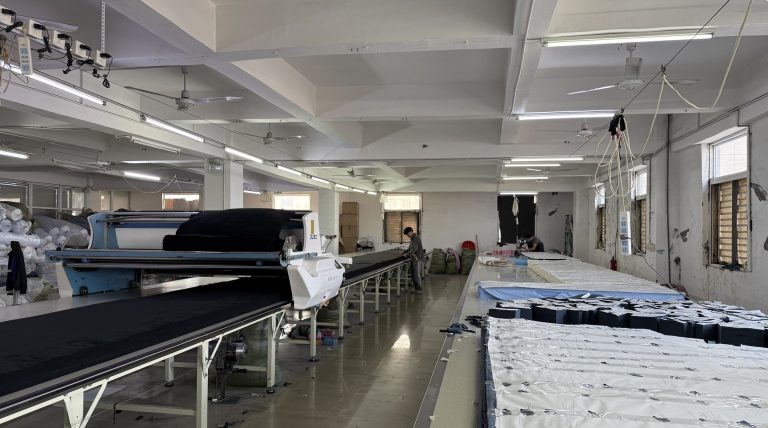
Size is decided at the cutting table, not in the sewing room, because a panel cut wrong cannot be sewn right. Three controls carry the result: relaxed fabric, since cotton moves three to five per cent; a marker built on your market's size chart; and an in-process check on waist, hip and inseam before the bundle is tied. Unitex Underwear sets those three in the order file.
 Fabrics & Materials · May 2026 · 10 min read
Knit Underwear Color Fading & Color Fastness: 6 Quality Control Checkpoints from a Professional Supplier
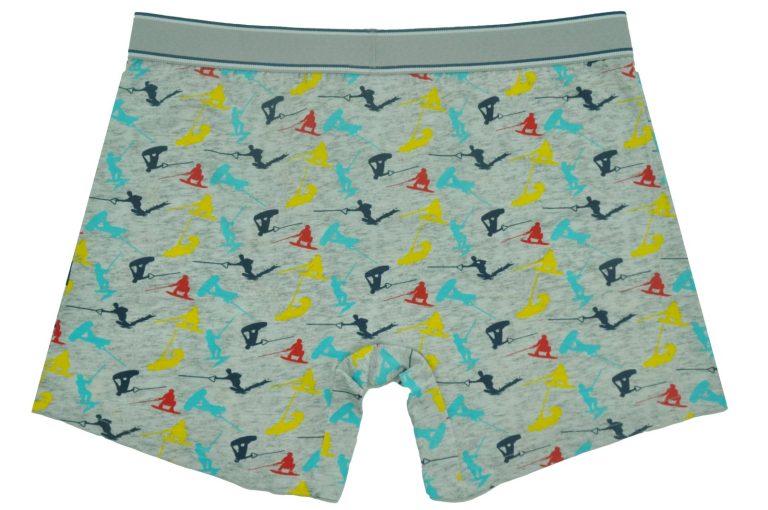
Colour fastness ranks among the top three quality complaints in the category, behind sizing deviations and seam failures. Knit underwear is more exposed because the structure has more surface and more open edges, and because dye uptake varies between the body fabric and the trims. The test has to run on the actual construction rather than on the base cloth.
 Fabrics & Materials · May 2026 · 2 min read
Cotton Underwear For Men – Why They Are A Great Option
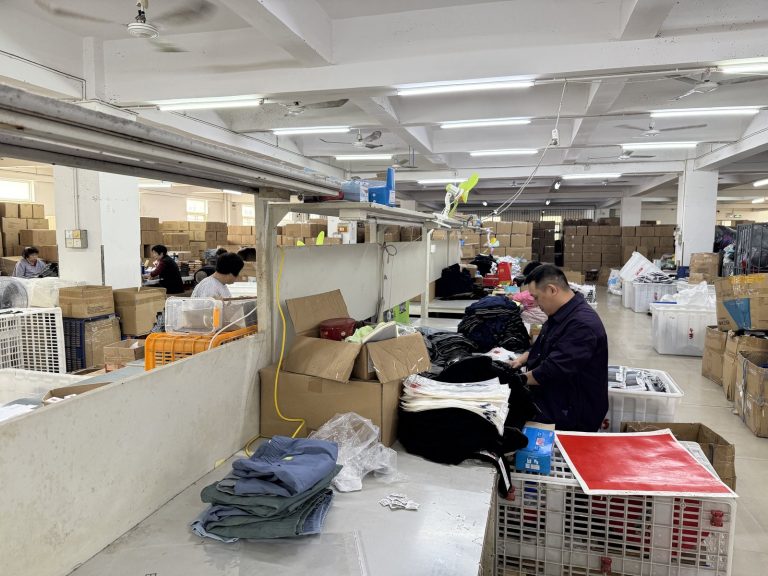
Cotton remains the standard for men's underwear for three reasons: breathability, skin tolerance when correctly finished, and reorder predictability — the grade and the hand stay stable across seasons. The specification is the blend ratio and the weight in g/m², not the fibre name.
 Market & Trade Trends · May 2026 · 2 min read
China’s Energy Crisis Deeply Impacts Garment Output
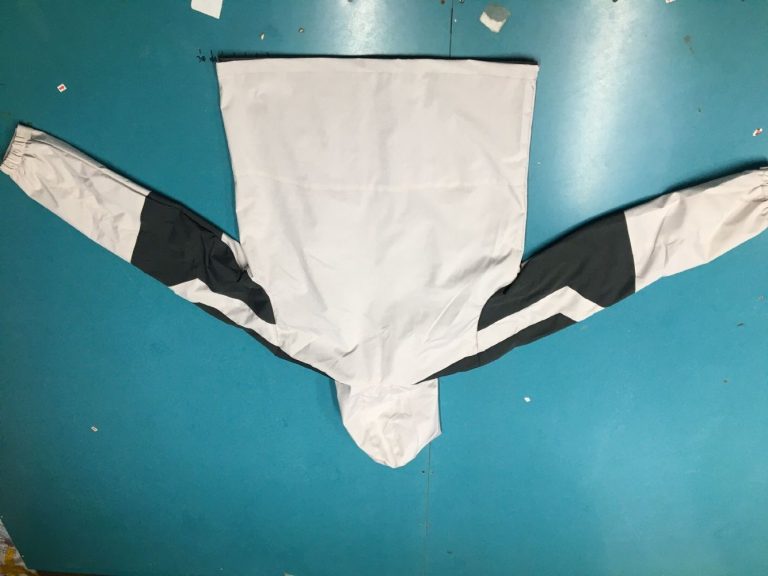
Energy cost and availability reach a garment programme through the dyeing and finishing stages first, since those are the energy-intensive steps, and through the production queue second. For a buyer the practical consequences are a longer and less predictable queue, and a schedule that has to be verified rather than assumed.
 Manufacturing & Quality Control · May 2026 · 8 min read
Zero Side Seam: The Ultimate Comfort for Men 100% Cotton Undershirts (Vest and T-Shirt)
Zero-side-seam undershirts are knitted as a continuous tube, so the side has no stitched seam at all — nothing to rub, nothing to fray, and nothing visible under a shirt. The range runs at 160–200 gsm in 100% cotton with no spandex, graded separately for Europe (slim) and South America (relaxed), on a 90-day production lead time excluding sea freight.
 Compliance & Certification · May 2026 · 5 min read
The 2026 Plastic-Reduction Mandate: Why "Seaweed PE Bags" are Revolutionizing Underwear Packaging and Brand Premium
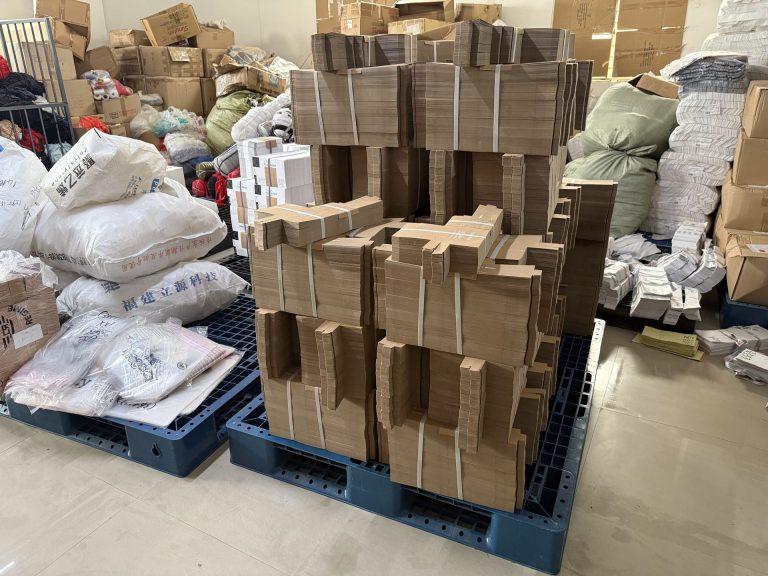
Packaging rules are moving from the product to the pack, with extended producer responsibility applying to packaging in several EU markets. The practical consequence is that pack composition now carries a compliance consequence as well as a cost, which is why the recyclability grade belongs in the specification and is confirmed before the design is approved.

AW26/27 Fall/Winter Lingerie Trends Released: How "Space, Body, Art" Redefine the Future of Underwear?
The AW26/27 lingerie direction runs on three themes — space, body and art — each with its own colour, material and process implications. What matters for sourcing is the fourth dimension: each theme translates into a specific fibre, a finishing requirement and a construction threshold, which is where a trend brief becomes a purchase specification rather than a mood board.
 Fabrics & Materials · May 2026 · 5 min read
The "Invisible Loss" in LATAM Trade: Why Your Bulk Underwear Deforms During 45-Day Sea Freight
Cotton absorbs humidity in container transit, and the dimensional change that follows — reported at 2–5% — is what turns a compliant shipment into a return. The controls are a vapour-barrier bag, container humidity management and pre-shipment compacting, all of which are packing specifications rather than fabric ones.