

Buyer Insights
Blog — Underwear OEM Manufacturing Insights
Buyer-facing notes on underwear sourcing, fabric specification, compliance and lead times — published by Unitex Underwear (Xiamen Unitex Trade Co., Ltd.), a sourcing company based in Xiamen, Fujian Province, in the Xiamen–Quanzhou–Jinjiang knitwear cluster of south-east China.
PPWR Compliance Guide for Cotton Spandex Men’s Boxer Briefs – Market Strategy & Regulatory Essentials
The EU Packaging and Packaging Waste Regulation applies in full from 12 August 2026, setting a combined limit of 100 mg/kg for lead, cadmium, mercury and hexavalent chromium in packaging, restricting PFAS in food-contact packaging, and requiring EPR registration. Recyclability grades and recycled-content targets follow from 1 January 2030, and from 1 January 2038 only Grade A or B packaging may be placed on the EU market.
 Fabrics & Materials · Jul 2026 · 7 min read
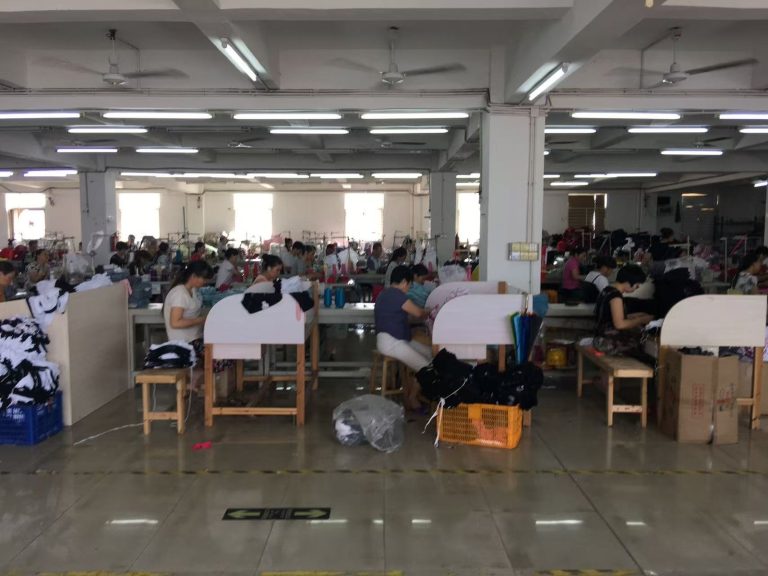
How Can Underwear Factories Deal With the Problem of Fabric Color Difference?
Colour difference is caught before it reaches the line, not after. The work starts with yarn from one batch and origin, dyes chosen for the fibre, and tight control of temperature, time and pH; then cutting keeps shades apart so one garment never mixes two dye lots. A retained standard swatch settles disputes. Unitex Underwear agrees the tolerance in writing before bulk.
 Fabrics & Materials · Jul 2026 · 6 min read
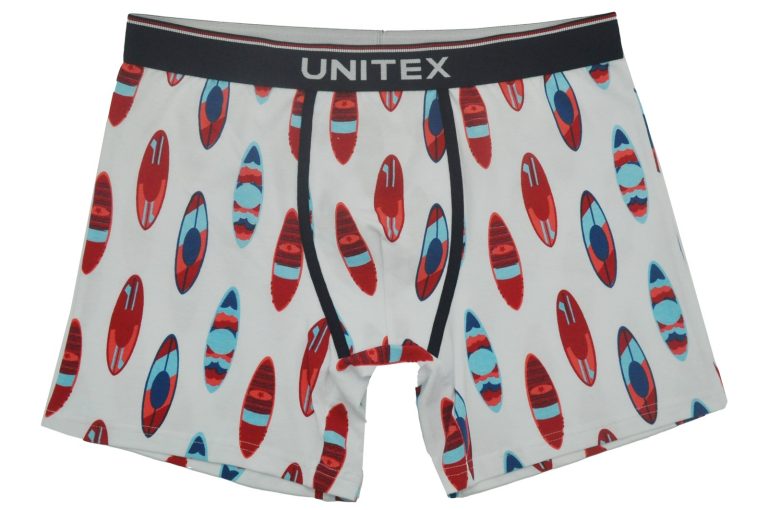
Knit vs. Woven Pajama Fabric: A Complete Seasonal Comfort Guide
Knit is one yarn looped back into itself, so it stretches, feels soft and traps still air for warmth. Woven crosses warp and weft at right angles, giving a crisp hand and the non-cling drape that keeps summer sleepwear off damp skin. That is the decision: warm-weather lines on lightweight woven cotton such as poplin or seersucker, cold-weather lines on French terry, rib or interlock. Unitex Underwear matches structure to season before fixing price.
 Fabrics & Materials · Jul 2026 · 4 min read
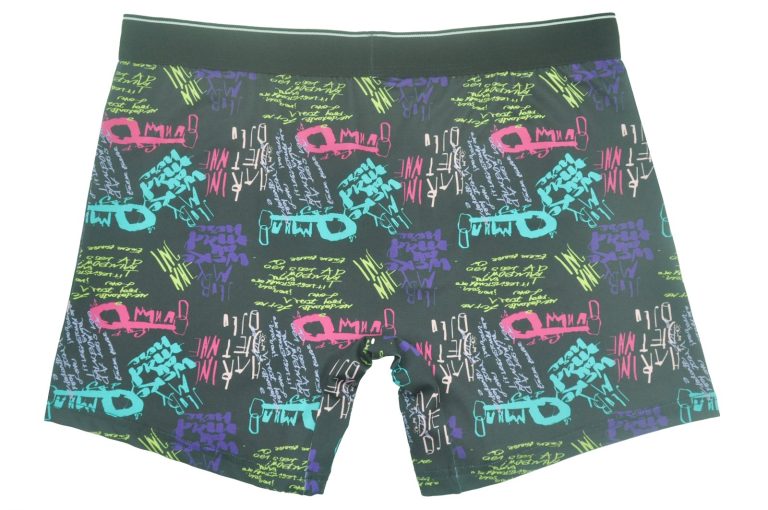
Uncovering the Secrets of Men’s Underwear Materials
Men's underwear materials differ in hand, recovery, moisture behaviour and cost rather than in a ranking. Cotton is the volume base, modal offers a softer hand with better shape retention, and bamboo moves moisture well with a sustainability claim attached — the choice follows the market rather than a fibre preference.
 Men's Underwear · Jul 2026 · 4 min read
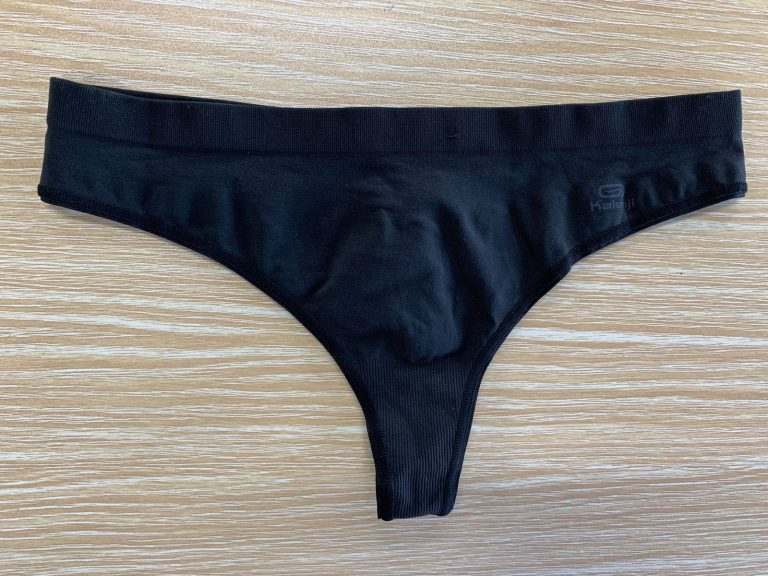
Know All the Key Points for Purchasing Men’s Underwear
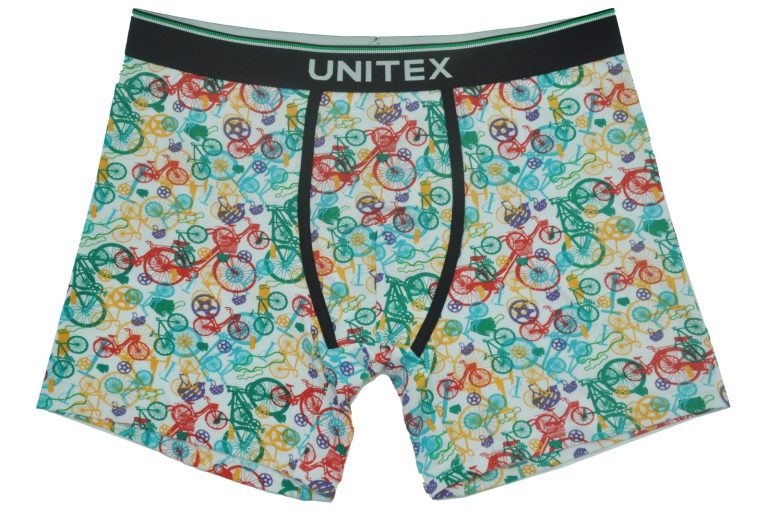
Eight items decide a men's underwear purchase, and the first four carry the garment: the fabric with its blend ratio and weight, the waistband construction, the seams at the stress points, and the gusset lining. The remaining four are the size grade, labelling, compliance position and commercial terms.
 Men's Underwear · Jul 2026 · 6 min read
Analysis of Common Styles of Men’s Underwear
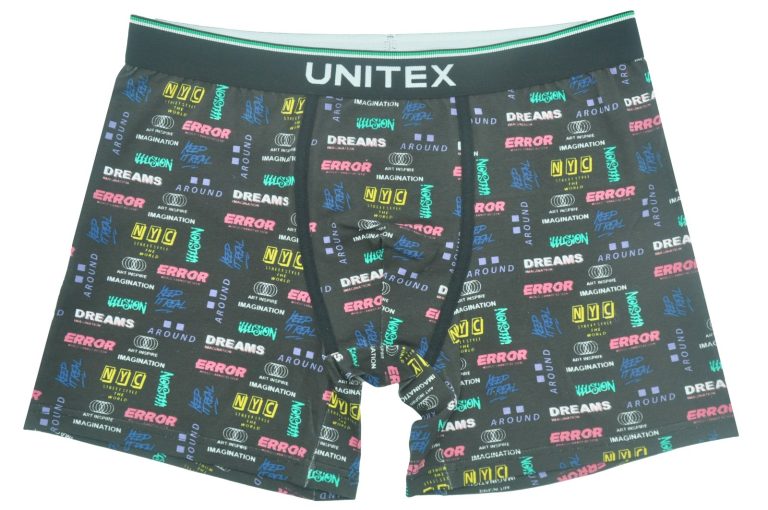
Four silhouettes cover the men's market: briefs, boxer briefs and boxers, low-rise and high-waist. They differ in coverage and rise rather than in quality, and each carries its own pattern cost — which is why the silhouette decision reaches the quotation before any negotiation starts. The mix should follow sell-through rather than range symmetry.
 Manufacturing & Quality Control · Jul 2026 · 5 min read
Differences between the Sewing Process and the Bonding Process of Underwear
Sewn and bonded underwear are a trade-off between wash durability and seam-free appearance. Stitched seams tolerate repeated industrial washing and suit cotton basics; bonded panels give a flat finish for microfibre and bonded-edge styles, but they hold only as well as the adhesive and press settings allow, so the construction should be locked at the tech-pack stage. Unitex Underwear (Xiamen Unitex Trade Co., Ltd.) supplies both from Xiamen.

What Underwear Packaging Attracts European Consumers Most in 2026
European buyers now screen packaging on four points, and none of them is decoration: material that is recyclable and clearly marked, a clean visual that carries composition, size and care without clutter, a form the shopper can reuse or that protects delicate lace, and information the customer can read and check. Plastic-heavy and layered packs are the ones losing shelf space. Unitex Underwear builds the pack to your market's rules at the design stage.

2026’s Most Practical Adult Women’s Underwear Styles Popular Across Europe
A European women's brief range turns on four decisions: the size block (EU, US and UK are graded differently), waistband construction, gusset and lining, and how many styles you cut. Four styles cover the practical core — full-coverage classic, high-waisted shaping, mid-rise seamless and high-cut leg — and each added style carries its own pattern cost and its own fabric minimum.

From World Cup Sleeve Patches to Underwear Craftsmanship: The Shared Logic of Professional Apparel Suppliers
The 2026 World Cup LEGACY sleeve badge is a useful benchmark for underwear manufacturing: a patch positioned to the millimetre, colour-matched across production lots, and version-controlled because several players wear slightly different variants. The transferable lesson for buyers is that event-grade work is defined by tolerance and repeatability, not by decoration.

What Professional Knowledge Qualified Underwear Suppliers Must Master
Five knowledge areas separate a qualified underwear supplier from an available one: material and fabric specification, custom process and printing, size standards and cutting, international trade compliance, and the quality control system. Each is checkable, which is what makes the list useful in a qualification rather than as a description.
 Fabrics & Materials · Jun 2026 · 6 min read
2026 Ultimate Guide to Sportswear & Sports Underwear Fabrics: How to Choose Breathable, Non-Sticky Performance Materials?
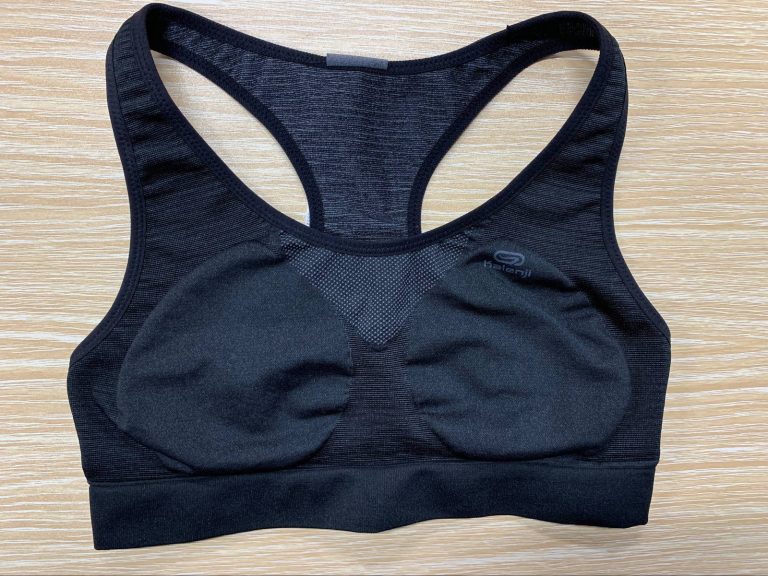
Five fibres carry the sports category: polyester for wicking and cost, nylon for softness and durability, polypropylene for moisture transport, cotton for daily comfort, and merino for premium temperature regulation. The choice follows the support level and the activity rather than the fibre name, and each trades drying speed against hand-feel.