
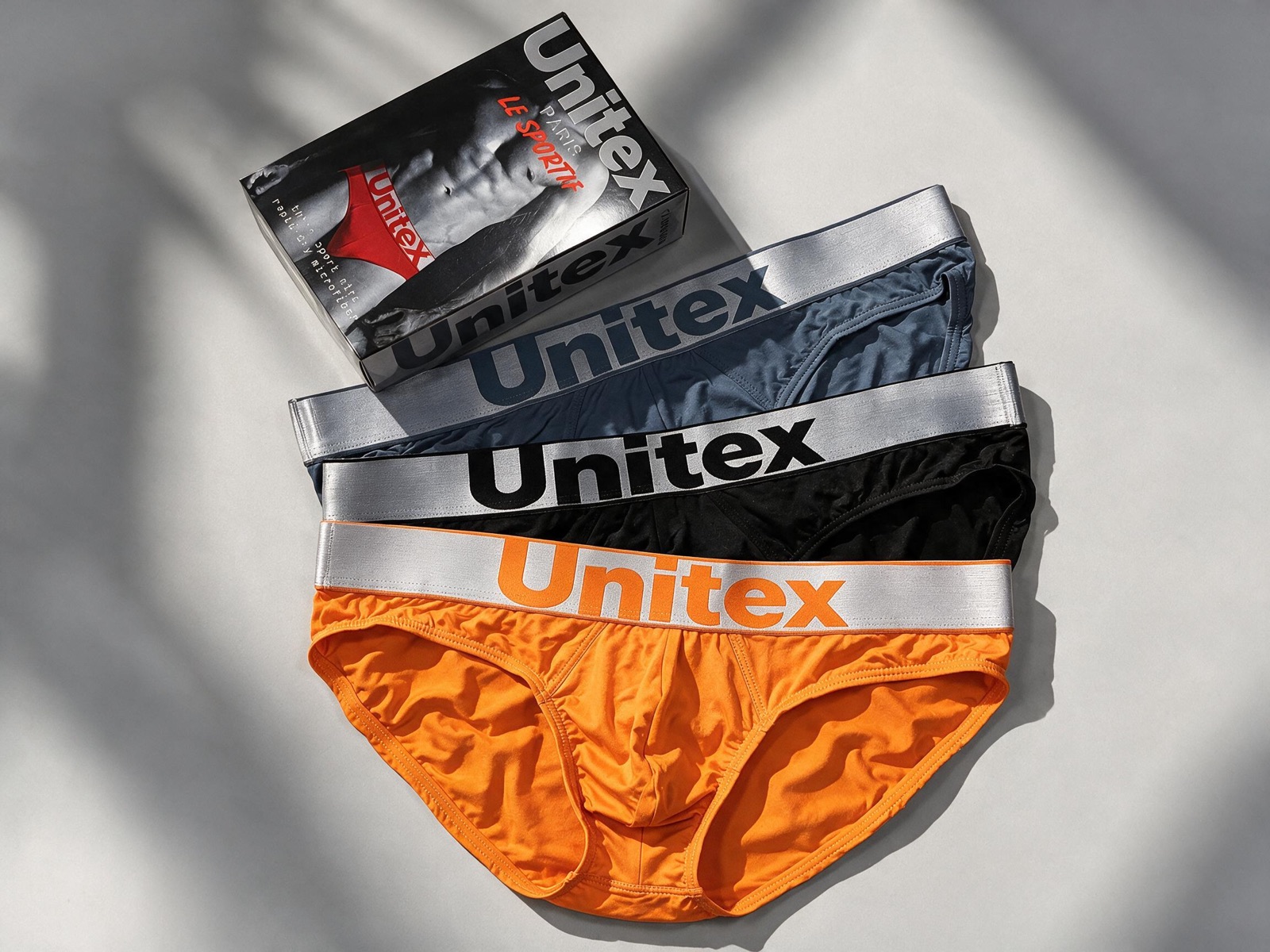
Knitted Cotton Fabric Price Decoded: The Cost Differences Between Solid, Heather, Yarn-Dyed Stripe & Print
📋 Direct Answer: Knitted cotton fabric pricing follows a clear hierarchy: solid dyed jersey is the baseline ($3.50-4.50/kg), heather/melange adds 10-15% from pre-dyed fiber blending, yarn-dyed stripe adds 20-35% requiring separate dyeing per color row, and digital printing adds 15-25% but allows lower MOQs and unlimited colors.
Key Takeaways
Knitted Cotton Fabric Price Decoded: The Cost Differences —
→ Price Ranking: Yarn-Dyed Stripe (140-160%) > Heather Yarn (125-135%) > Printed (110-120%) > Solid (100%)
→ Why Heather Costs More: Fiber dyeing + precise blending + inventory risk = +25-35% premium
→ Why Yarn-Dyed Costs Most: Dye-then-knit process + warp precision + efficiency loss = +40-60% premium
→ When to Choose: Match fabric type to brand positioning, order volume, and lead time
Knitted Cotton Fabric Price Decoded: Why Are Heather Yarn and Yarn-Dyed Stripes More Expensive Than Solid Fabrics?
As a supplier who has been working closely with fabrics and underwear production for many years, I often receive the same question from procurement partners: “Teresa, why are heather yarn and yarn-dyed stripe fabrics so much more expensive than solid fabrics, even though they’re all 100% cotton? Where does the cost come from?”
Today, I’d like to use the professional perspective of Xiamen Unitex Trade Co., Ltd. to break down the cost structure of these several types of knitted cotton fabrics. As an
underwear supplier specializing in combed compact siro spun cotton
, we have served the European, South American, and global B2B wholesale markets for many years. I hope that through this article, when you face your end customers, you can confidently explain the rationale behind product pricing, also reflecting our professionalism and transparency as a specialized sourcing partner.
1. Basic Concepts and Core Differences of the Four Fabric Types
Before diving into price analysis, we need to clarify the definitions of these four fabric types
Solid Fabric
Refers to single-color fabric made from bleached or dyed yarns. Typically, grey fabric is knitted first, followed by dyeing treatment (piece dyeing).
Heather Yarn Fabric
The “heather” here does not refer to real hemp fibers. It refers to the technique of blending cotton fibers of different colors during the spinning process to achieve the natural mixed-color effect characteristic of hemp fabrics. Siro spinning is usually employed to create smoother color transitions.
Yarn-Dyed Stripe
Refers to fabric where the yarn is dyed first, and then knitted according to a pre-designed color arrangement to form a stripe pattern. This is a classic “dye-first, knit-later” process.
Printed Fabric
Patterns are added to grey fabric or light-colored base fabric through a printing process. This is a “knit-first, print-later” process.
2. Production Process Flowchart
To help you understand the differences more intuitively, I’ve mapped out the production flows for the four fabric types:
Solid Fabric (Piece Dyed)
Yarn → Knitting (Grey) → Pre-treatment → Piece Dyeing → Finishing → Finished Fabric
Heather Yarn Fabric
Dyed Cotton Sliver/Fiber (Multi-color) → Blending (Siro Spinning) → Knitting → Finishing → Finished Fabric
Yarn-Dyed Stripe Fabric
Yarn Dyeing → Winding/Warping (Stripe Arrangement) → Knitting → Finishing → Finished Fabric
Printed Fabric
Yarn → Knitting (Grey) → Pre-treatment → Printing → Steaming/Washing → Finishing → Finished Fabric
It’s clear from the flowcharts: For solid and printed fabrics, coloring happens after knitting. For heather and yarn-dyed stripe fabrics, the color is determined at the yarn stage. This difference in sequence directly dictates the significant cost variation.
3. Why is Heather Yarn More Expensive? – In-depth Analysis
Heather yarn is a category highly favored by our European clients, especially for men’s briefs and casual T-shirts. Its price is typically 20%-35% higher than solid fabrics of the same specification. Where does the extra cost lie?
1. “Color Mixing” Cost at the Raw Material Stage
Heather yarn production starts with fiber dyeing. Take our commonly used 40s combed compact siro spun heather yarn as an example:
Fiber Dyeing Stage
White cotton fibers need to be dyed in batches (typically 2-3 colors). The dye consumption, energy consumption, and wastewater treatment costs for this process are significantly higher than later-stage piece dyeing. The cost per ton of dyed cotton fiber is approximately 8,000-12,000 RMB higher than undyed cotton.
Blending Process Difficulty
Heather yarn requires precise blending of different colored fibers in specific proportions during spinning. Traditional ring spinning struggles to achieve even blending. The compact siro spinning we use, while achieving superior color transitions and smoother yarn, demands higher equipment investment and process control costs.
2. Hidden Costs of Yarn Quality
Heather yarn aims for a visual “linen-like” texture while maintaining cotton’s comfortable feel. This requires:
· Using long-staple or high-quality fine-staple cotton as the base material.
· Strictly controlling strength loss in dyed fibers (dyeing typically reduces fiber strength by 10%-15%).
· Using siro spinning technology to minimize yarn hairiness and enhance strength.
These hidden costs are investments that price-focused factories are unwilling to make.
3. Inventory Risk Cost
For suppliers, heather yarn is a “made-to-order” product – spinning only starts upon receiving an order, because color blending options are endless and stocking ready-made yarn isn’t feasible. This leads to significantly higher unit prices for smaller orders.
4. The Price Code of Yarn-Dyed Stripes: Why Are They More Expensive Than Prints?
The price of yarn-dyed stripe fabric is typically 30%-50% higher than printed fabric, sometimes even more. This price difference mainly comes from the following aspects:
1. Fundamental Difference: “Dye-then-Knit” vs. “Knit-then-Print”
Yarn-Dyed Stripe
Requires dyeing entire batches of yarn first (dye bath cost), then warping according to the stripe color arrangement, and finally knitting. If an order has 5 colors, 5 batches of yarn need dyeing. If one batch shows even slight color deviation, the entire fabric run is scrapped.
Printed Fabric
Only requires knitting grey fabric. Whatever colors or patterns are needed are applied in one pass by the printing machine. If colorfastness requirements are low, the cost is indeed lower.
2. Three High-Cost Stages in the Yarn-Dyed Process
Yarn Dyeing Stage
Yarn-dyed fabrics demand extremely high colorfastness from yarn dyeing (as they must withstand knitting friction). High-quality dyes are necessary, making dyeing costs about 30% higher than standard dyeing.
Warping/Beaming Stage
The width of each stripe is determined by the exact number of yarn ends. One wrong thread, and the pattern is misaligned. This requires skilled labor and precision equipment, with labor costs and time being 3-5 times that of preparing grey fabric.
Knitting Efficiency Loss
During the knitting of yarn-dyed stripes, frequent changing of packages and handling colored yarn splices reduce knitting machine efficiency by 15%-20% compared to knitting grey fabric. This efficiency loss is ultimately reflected in the final fabric price.
3. Quality Requirement Differences
For truly
high-quality yarn-dyed stripe underwear
, we require
· Colorfastness of Grade 4 or higher (for perspiration, rubbing, and washing).
· Perfectly straight, non-distorted stripes.
· Precise stripe matching (pattern alignment during cutting).
These requirements are simply non-existent for standard printed fabrics.
5. Data Comparison: Cost Structure Breakdown of the Four Fabric Types
For a more intuitive illustration, let’s use our common
40s combed compact siro spun knitted cotton fabric
as an example for a cost structure estimate
Cost Component
Solid Fabric
Printed Fabric
Heather Yarn Fabric
Yarn-Dyed Stripe Fabric
Yarn Cost
Baseline
Baseline
+25%-35%
+15%-20%
Dyeing/Printing Processing
Piece dyeing cost
Printing cost
Fiber dyeing + Blending
Yarn dyeing
Knitting Waste
2%-3%
2%-3%
4%-6%
8%-12%
Colorfastness Performance
Grade 3-4
~Grade 3
Grade 4+
Grade 4-5
Overall Price Index
100%
110%-120%
125%-135%
140%-160%
Note: Actual prices fluctuate based on order quantity, number of colors, stripe complexity, etc.
6. From a Procurement Perspective: How to Balance Cost and Quality?
As a product manager or procurement lead, the question you need to consider is: Is this premium worth it?
When to Choose Heather Yarn?
· Your brand is positioned in the mid-to-high end, seeking differentiated “natural linen-look” visual effects.
· Products target mature consumer groups focused on quality.
· Order volume is stable enough to support made-to-order yarn (suggested MOQ ≥ 1000kg/color).
When to Choose Yarn-Dyed Stripes?
· You need classic styles with stripes that never fade and have sharp, clear boundaries.
· Product positioning is mid-to-high end briefs or loungewear.
· You can accommodate a longer production lead time (15-20 days more than solids).
When is Printing Sufficient?
· Chasing fashion-forward, fast-reaction styles with quickly changing patterns.
· Budget is limited, and colorfastness requirements are not stringent.
· Order volume is small and cannot meet the minimums for yarn-dyed production.
7. Unitex’s Professional Commitment: Making Every Cent of Cost Count
As an underwear supplier centered around
combed compact siro spinning
technology, we adhere to one principle in fabric selection
Never sacrifice quality stability for cost reduction.
Our Combed Compact Siro Spinning Advantages
· Less yarn hairiness, resulting in a smoother fabric surface that’s less prone to pilling.
· Higher strength, ensuring garments are durable and washable.
· Better evenness, leading to more uniform dyeing results.
For Heather Yarn Products
We strictly control strength loss in dyed fibers to ensure garments retain their shape after washing.
For Yarn-Dyed Stripe Products
We insist on using high-quality dyes, achieving colorfastness up to Grade 4-5. We strictly control stripe matching during cutting to ensure seamless, aesthetically pleasing stripes on the finished garment.
Conclusion: Transparent Communication, Professional Cooperation
| Fabric Type | Cost vs Baseline | MOQ | Best For |
|---|---|---|---|
| Solid Dyed Jersey | Baseline ($3.50-4.50/kg) | 100 kg/color | Basic collections |
| Heather/Melange | +10-15% | 100 kg/color | Premium basics, athleisure |
| Yarn-Dyed Stripe | +20-35% | 150-200 kg/color | Fashion collections |
| Digital Print | +15-25% | 50 kg minimum | Small-batch, complex designs |
| Screen Print | +$0.10-0.30/pc | 5,000+ units | Large-volume logos |
At Unitex, we believe:
The more our clients know, the smoother our cooperation.
When you explain to your customers “why this heather yarn brief costs more than the solid one,” I hope this article provides you with professional insights.
Behind the price differences lie process complexity, raw material quality, and a supplier’s commitment to detail. As an underwear supplier serving the European, South American and global B2B markets, we consistently build trust with our partners through professionalism and transparency.
If you have any questions about your 2026 underwear procurement plans, or want to learn more about the application of combed compact siro spinning in underwear, please feel free to contact me. Let’s use our expertise to jointly build more competitive products.
Author: Teresa Zhang
Specializing in
Combed Compact Siro Spun Cotton Underwear
, Serving the Global B2B Market
Xiamen Unitex Trade Co.,Ltd.
Website: www.unitexunderwear.com
Tel: 0086-186 5081 3853
Address: Unit 1501-1, Building 10, Xinglinwan Business Operation Center, Jimei District, Xiamen City, Fujian Province, China
Related Reading:
- Custom Underwear Supplier — Wholesale Guide
- Organic Cotton Kids Underwear — B2B Guide
- Unitex Underwear — China OEM Manufacturer
🚀 Ready to Source Premium Underwear?
Xiamen Unitex Trade Co., Ltd. is your trusted partner for high-quality men’s, women’s, and kids’ underwear. With 17+ years of experience, OEKO-TEX® certified products, and flexible OEM/ODM services, we serve B2B buyers across Europe, South America, and global markets.
📧 Email: [email protected] | 📱 WhatsApp: +86 186 5081 3853
Related: capabilities →
{ “@context”: “https://schema.org”, “@type”: “FAQPage”, “mainEntity”: [ {“@type”: “Question”, “name”: “[extracted from FAQ]”, “acceptedAnswer”: {“@type”: “Answer”, “text”: “[extracted from FAQ]”}} ] }Frequently Asked Questions
Q: Which fabric type offers the best ROI?
A: For most OEM buyers, solid dyed jersey for 60% of the collection (basics), heather for 25% (elevated basics), and one yarn-dyed or printed style for 15% (hero piece). This blend balances cost, quality, and visual variety.
Q: Why is yarn-dyed more expensive?
A: Each color row requires the yarn to be dyed separately BEFORE knitting. The knitting machine must be programmed precisely to align each color stripe — slower production (30-40% less output per machine-hour) plus higher dyeing cost equals the 20-35% premium.
Industry Reference: Fabric pricing benchmarks based on Q1 2026 market rates from Fujian textile cluster suppliers. Actual prices vary by order volume, cotton futures, and dye complexity. Request a current quote from your OEM partner for project-specific pricing.
· Xiamen Unitex Trade Co., Ltd. — OEM & ODM underwear sourcing partner
Unitex Underwear (Xiamen Unitex Trade Co., Ltd.) — OEM/ODM underwear sourcing and supply-chain partner in Xiamen, China; in the trade since 2009, incorporated in 2013.