
Insights
Men’s Underwear
Men’s boxers, briefs, trunks and undershirts — styles, fits and fabrics.
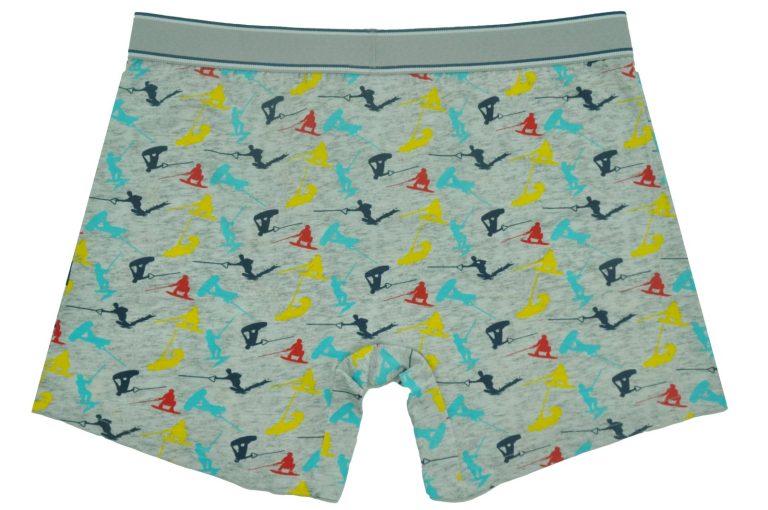 Fabrics & Materials · May 2026 · 2 min read
Cotton Underwear For Men – Why They Are A Great Option
Cotton remains the standard for men's underwear for three reasons: breathability, skin tolerance when correctly finished, and reorder predictability — the grade and the hand stay stable across seasons. The specification is the blend ratio and the weight in g/m², not the fibre name.
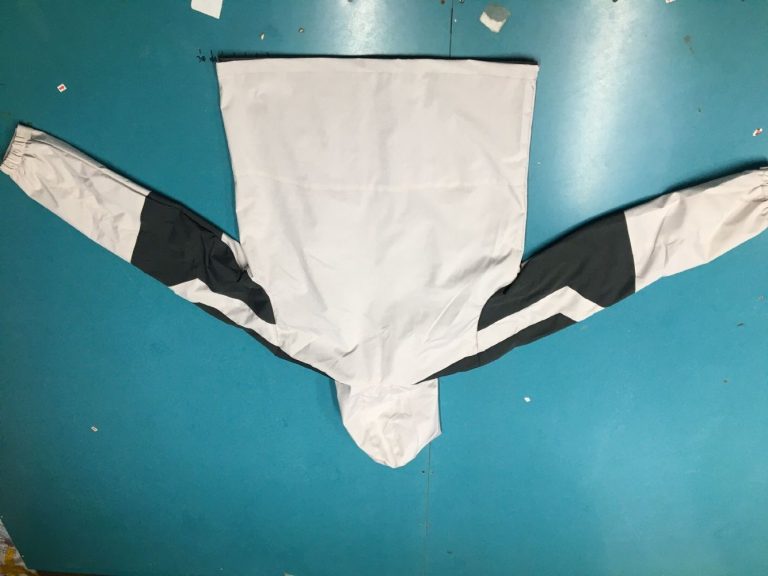 Manufacturing & Quality Control · May 2026 · 8 min read
Zero Side Seam: The Ultimate Comfort for Men 100% Cotton Undershirts (Vest and T-Shirt)
Zero-side-seam undershirts are knitted as a continuous tube, so the side has no stitched seam at all — nothing to rub, nothing to fray, and nothing visible under a shirt. The range runs at 160–200 gsm in 100% cotton with no spandex, graded separately for Europe (slim) and South America (relaxed), on a 90-day production lead time excluding sea freight.
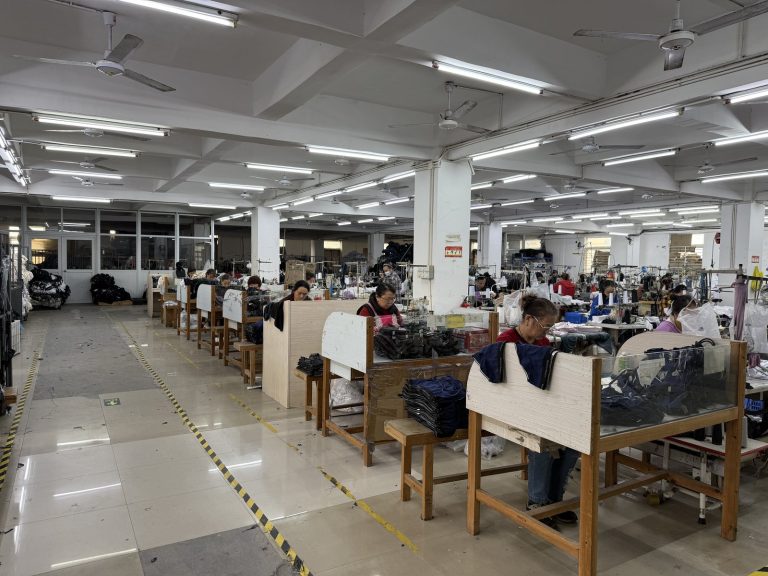 Customization & Private Label · May 2026 · 9 min read
Custom Underwear Supplier: What the Specification Must Contain
A custom underwear programme is defined by four things: fabric composition and weight in g/m², waistband construction, the size block for your market, and the packing format. Fix those four before anyone quotes a price, because they account for most of the gap between a quotation that holds and one that moves once sampling starts. Typical standard runs are 2,000 pcs per style per colour for men's and women's underwear, and 3,600 pcs per style per colour for kids' underwear.

The 41% Dominance: Why Cotton Boxer Briefs Still Rule the Global Male Wardrobe in 2026
Cotton-rich boxer briefs hold the largest share of the basics tier in the main export markets, and the driver is comfort expectation rather than price. The dominant construction is cotton for the body with a small elastane percentage for recovery — a hybrid position rather than a move to either extreme.

Introduction to Cotton Underwear for Men
Cotton remains the standard for men's underwear because it combines three properties that are hard to match together: breathability, skin tolerance when correctly finished, and a reorder predictability that keeps the grade and the hand stable across seasons. The specification is the blend ratio and the weight rather than the fibre name.

Durability vs. Comfort: How Precision Sewing Technology Solves the 3 Biggest Pain Points of Men’s Essentials
Precision sewing changes the trade-off between durability and comfort rather than choosing one: seam construction and placement remove the friction point that causes early wear, and a wash-life target replaces the softness claim as the quality measure. The specification question is what the garment has to survive, not how it feels on day one.

Laser Glue-Dot Technology Revolutionizes Underwear Manufacturing: Seamless Experience for Men’s Boxers and Women’s Briefs
Glue-dot lamination and laser cutting replace stitching at the edges, producing a flat, seamless finish and removing the seam that causes most chafing. The trade-offs are fabric compatibility, the wash durability of the bond, and how the finish holds at the leg opening. The reported material saving from intelligent nesting is 5–15%, which is where the process also meets cost.

Color Revolution: The “Natural Healing” Trend in the 2025 Men’s Underwear and Shorts Market
Men's underwear colour has moved from three basics — black, white and grey, once over 60% of the category — towards low-saturation natural tones. In 2025 spring/summer, roughly 68% of popular men's colourways were Morandi-type low-saturation shades. For a buyer the practical question is not which colour is fashionable but how many colourways to carry and how deep, because colour is what drives markdown at the end of a season.
Market & Trade Trends · Feb 2026 · 5 min readWhy Global Buyers Are Betting on Modal Men’s Boxer Shorts
Modal is a regenerated cellulose fibre that holds its shape better than cotton and feels softer in the hand, which is why it has taken share in the men's boxer segment. The buying considerations are fibre source and certification, weight in g/m², how the fabric behaves after repeated washing, and whether the price premium is supported by the market you are selling into.

Underwear Styles: Exploring the Health Secrets for Men
The health case for an underwear style comes down to three variables: fibre and breathability, gusset construction, and how the garment handles moisture. Style matters commercially, but a health claim only holds where the fibre, the construction and the care instruction support it — which is precisely what makes the claim testable rather than decorative.

Technical Whitepaper: The Engineering of True Moisture Management in Performance Underwear
Moisture management in performance underwear runs in two phases: transport away from the skin, then evaporation from the outer surface. Most garments that underperform do so on the second phase — a dense layer or an over-stretched knit traps vapour rather than releasing it — which is why drying time is the figure worth specifying.
Men's Underwear · Jan 2026 · 8 min readUnderwear and Daily Comfort: What the Specification Controls
Several factors often framed as health questions are specification decisions in practice: the lining fibre, the seam construction, how the garment handles moisture, and how the care instruction supports washing. Those four are controllable at the brief stage, which makes them a sourcing conversation rather than a medical one.