
Xiamen Unitex Trade Co., Ltd. is a professional underwear sourcing & supply-chain management company based in Xiamen, Fujian Province, in the Xiamen–Quanzhou–Jinjiang knitwear cluster of south-east China. Founded by Will Lin, who has worked in the apparel trade since 2004, the company has been exporting since 2009 and was incorporated in Xiamen in 2013. It runs its own liaison office in Jinjiang and works with a network of BSCI & OEKO-TEX Standard 100 certified partner factories to serve retailers and brands across Europe, the US and Australia.
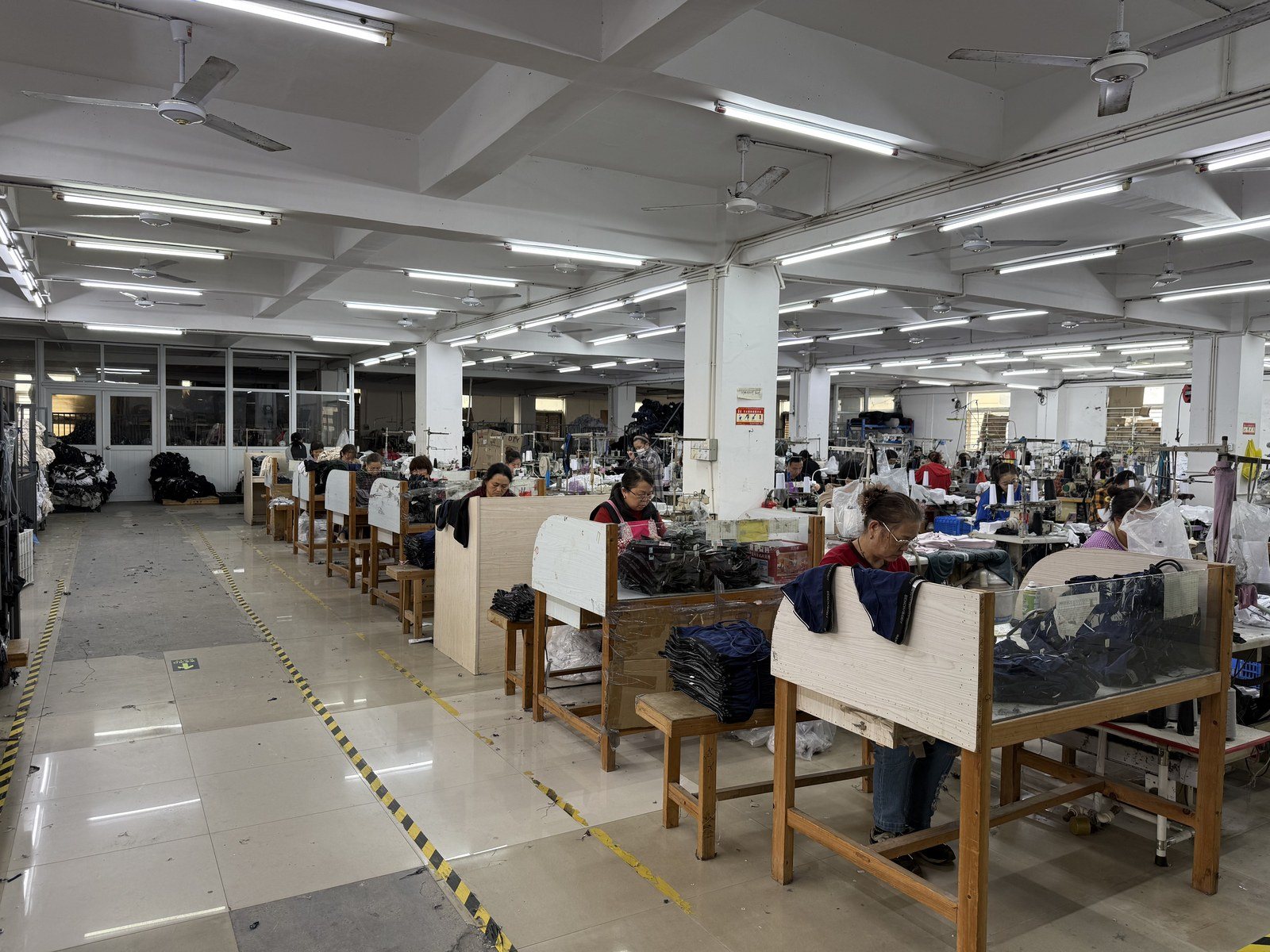
At a partner factory in Zhejiang, bundles of bamboo fiber fabric with a natural sheen are being cut into women’s panties. These seemingly ordinary textiles just passed OEKO-TEX® Standard 100 certification—with formaldehyde below 16ppm (1/10 of China’s limit) and 99.2% antibacterial rate. “European clients demand all next-quarter orders switch to this fabric. Unit prices rose 15%, but order volume doubled,” the factory manager states, pointing to bamboo-modal products on the line. This comes just 8 days after China’s updated “Bamboo as Plastic Substitute” Catalog formally included “bamboo apparel” in its sustainable product system.
I. Policy Momentum: From Plastic Replacement to Underwear Material Revolution
On July 3, 2025, China’s National Forestry and Grassland Administration (NFGA) and National Development and Reform Commission (NDRC) jointly released the “Bamboo as Plastic Substitute” Key Product Catalog (2025 Edition), listing “bamboo clothing” as a priority category for the first time. This revision followed 18 months of research, adding 8 sub-categories including agricultural production, expanding product classifications from 17 to 25 items. It marks bamboo’s official expansion from packaging/construction into core textile applications.
For the underwear industry, this aligns with the EU Carbon Border Adjustment Mechanism (CBAM) expansion. Since January 2025, textiles exported to the EU require full lifecycle carbon footprint reports. Test data reveals: Bamboo fiber cuts carbon emissions by 62% vs. cotton, consuming just 300L water per kg versus cotton’s 2,500L. Zhejiang Forest Bio-Tech consequently secured a 2-million-piece order from Germany’s Tchibo—its carbon label shows bamboo fabric man’s high quality boxer shorts emit only 47g CO₂e per piece, less than one-third of cotton equivalents.

II. Technological Breakthroughs: From Cotton Alternative to Synthetic Surpasser
Bamboo fiber’s evolving performance is reshaping industry perceptions:
· Strength Leap: CAS extraction is reported to improve tensile strength over conventional bamboo viscose, retaining a high-crystallinity cellulose structure through performic acid delignification and air-drying.
· Enhanced Functionality: Guangdong Esquel’s nano-blending tech enables natural antibacterial properties (98.7% E. coli inhibition), UPF50+ UV blocking, and 60% higher moisture regain than cotton, meeting intimate wear comfort needs.
· Cost Optimization: Hunan Huasheng Group’s bamboo pulp line slashes extraction costs to ¥12,000/ton—down 40% from 2023—approaching premium cotton pricing.
III. Green Certification: Exporters’ Non-Negotiable Passport
With bamboo now policy-endorsed, certification compliance becomes the first export hurdle:
(1) Mandatory Certification Matrix
· Basic Safety: GB 18401 (formaldehyde/azo dyes) and GB 31701 (infant textiles) remain baseline, requiring tests for pH stability (≤0.5 change after 3 washes), color fastness (≥ Grade 4), etc.
· International Eco-Labels: EU’s OEKO-TEX® Standard 100 screens 210 hazardous substances; REACH caps SVHCs at 0.1%.
· Carbon Footprint Tagging: CBAM mandates full supply chain emissions accounting. Fujian Qingyuan Tech deploys blockchain traceability, generating unique carbon IDs per batch.
(2) Certification Dividends
Certified firms gain triple advantages:
· Tariff Cuts: FSC-certified Yunnan exporters enjoy2.7-percentage-pointGerman tariff reductions.
· Price Premiums: Anhui Huashiyadi’s GOTS-certified bamboo panties sell at 1.8× cotton prices.
· Financing Benefits: Zhejiang Rural Commercial Bank offers certified firms up to30% green loan subsidies.

IV. Hidden Risks & Breakthroughs: SMEs’ Green Transformation
Even with orders, challenges persist:
▶ Technical Compliance Hurdles
· Testing Costs: Single bamboo content test (GB/T 2910.1) exceeds ¥2,000; antimicrobial validation (QB/T 2591) costs tens of thousands.
· Process Adaptation: Bamboo fiber’s 18% strength variability forced the plant to retrofit tension control systems, at a cost that took six months of output to absorb.
▶ Carbon Barrier Threats
New trade walls emerge:
· Certification Bundling: US classifies bamboo as wood for FSC certification—but <5% China’s bamboo forests are certified.
· Carbon Tax Pressure: EU CBAM Phase 2 covers textiles, risking 20% cost spikes for non-compliant exporters.
V. Frontrunners Remapping the Supply Chain
Three enterprise types lead this green revolution:
1. Technology Definers
· Shengquan Group: World’s first 10k-ton bamboo fiber line produces 0.8dtex fiber (near cashmere fineness), securing exclusive deals with Aimer and Wacoal.
· Qingdao Graimer: Six-axis robotic sewing systems solve fabric slippage, tripling underwear assembly efficiency.
2. Certification Pioneers
· Changzhou Xurong: Partnered with SGS on “Bamboo Carbon Cloud”, cutting EU PEFCR-compliant reports to 1 week at 60% lower cost.
· Maniform International: Full-chain certification (FSC+GOTS+OEKO-TEX®) supports bamboo underwear priced at ¥200/piece in Thailand with 45% profit margins.
3. Model Innovators
· Zhejiang Semir: “Carbon Account Underwear” with traceable QR codes boosts repurchase rates by 34%.
· Hubei Tianzhu: Myanmar “pulp-to-yarn” base leverages ASEAN rules to bypass carbon tariffs, expanding capacity to 50k tons/year.
VI. Next Battlefield: Bamboo Fiber’s Trillion-Dollar Horizon
With new standards like *Bamboo Fiber Molded Containers (LY/T 3406-2024)* effective May 2025, bamboo expands into medical/food packaging. Underwear competition now focuses on:
· Standard Sovereignty: China Forest Products Association campaigns for ISO Bamboo Committee in Hangzhou, targeting 2026 global standards.
· Patent Wars: Chinese firms hold 70% of bamboo patents, but Western “modified bamboo fiber” filings surged 200% in 2024.
· Resource Control: Jiangxi’s 500k-acre FSC-certified bamboo forests supply Septwolves/(Bananain).
“We once used bamboo to cut costs—now it’s about securing a passport to global markets.”
—Changzhou Xurong GM at Supply Chain Summit
As Anhui farmers replace cotton with Phyllostachys praecox, Dongguan factories run 24/7 GC-MS tests for ethylene oxide, and Yiwu’s conveyor systems transport pale-green bamboo panties—the green DNA of China’s underwear industry is taking root in bamboo fibers.
Per Gaoteng Electromechanical projections, global bamboo apparel will hit $21 billion by 2028. For enterprises navigating certification narrows, this Eastern verdure is becoming their visa to a new trade era.
· Xiamen Unitex Trade Co., Ltd. — OEM & ODM underwear sourcing partner