
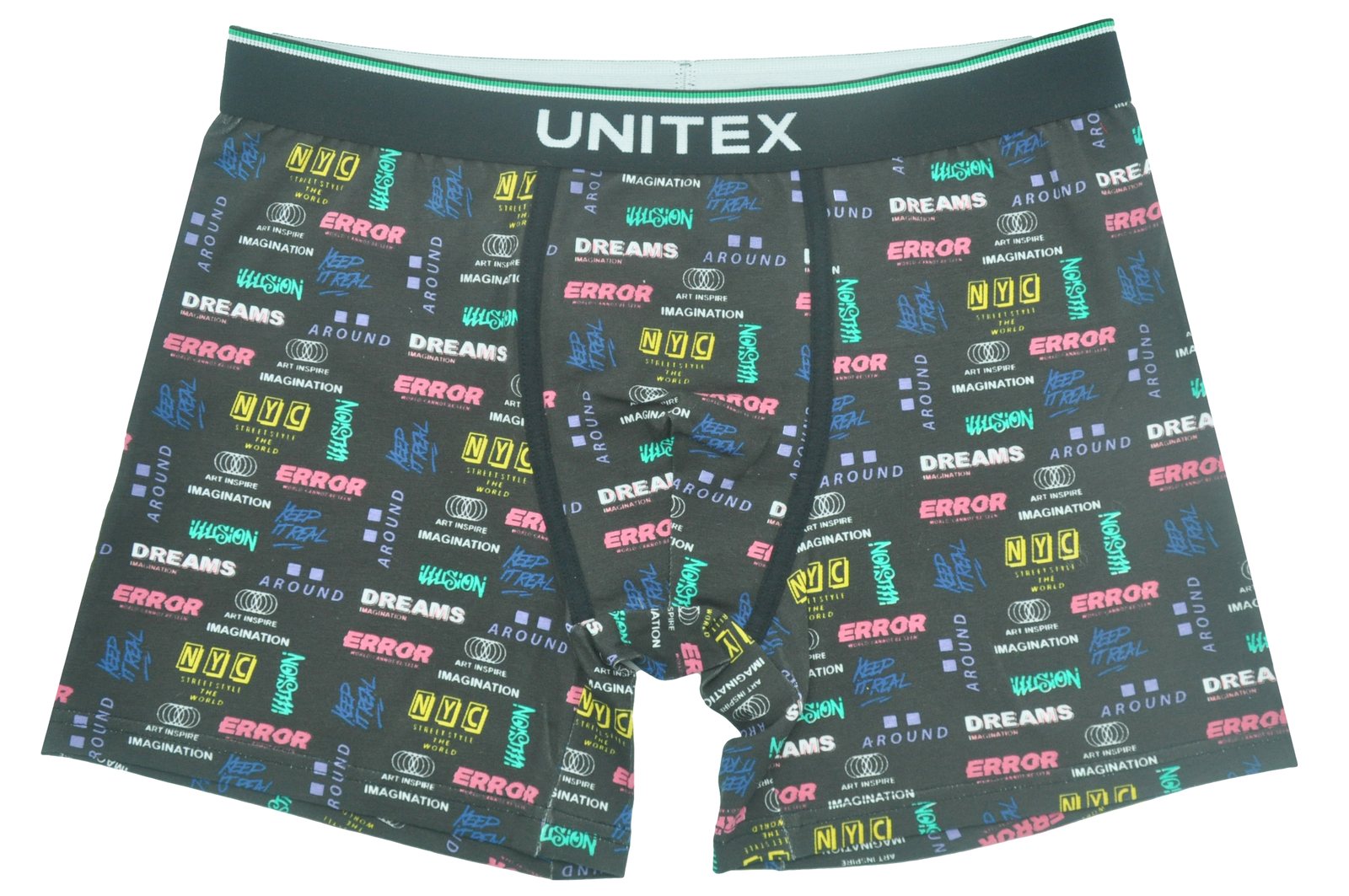
In modern society, underwear, as an indispensable part of people’s daily lives, the choice of its production process is directly related to the wearing experience, environmental protection concept, durability and purchase cost. Among numerous production processes, the sewing process and the bonding process have attracted much attention due to their respective unique advantages. This article will conduct a detailed comparison and analysis of these two processes from four aspects: durability, environmental friendliness, comfort and cost.
Durability: The Classic Stability of the Sewing Process and the Modern Challenges of the Bonding Process
The sewing process, as the most traditional and common method in underwear production, has earned a reputation for durability thanks to its firm stitches and seams. This process stitches fabrics together by sewing machines and can withstand daily pulling and washing without easily coming unsewn or getting damaged. Whether it’s the flat sewing machine, overlock sewing machine or zigzag sewing machine, the combined use of multiple types of sewing machines makes sewn underwear more structurally stable and suitable for various daily wearing needs. Especially for consumers who pursue cost-effectiveness and practicality, underwear made with the sewing process is undoubtedly the preferred choice in terms of durability.
However, the bonding process faces certain challenges in terms of durability. This process bonds fabrics together with high-temperature glue. Although it achieves a seamless effect, it has relatively high requirements for the glue or hot-melt technology. If the quality is not up to standard, the underwear may experience delamination during wearing or washing, which will affect its durability. Moreover, since the bonding process does not have the restraint of stitches, the underwear may be more prone to deformation or damage when subjected to relatively large external forces, such as during strenuous exercise or after long periods of wearing.
Environmental Protection: The Natural Advantage of the Sewing Process and the Potential Risks of the Bonding Process
In terms of environmental protection, the sewing process demonstrates its natural advantages. The sewing process mainly relies on sewing machines for stitching and does not require the use of additional chemical adhesives or high-temperature treatments, thus reducing environmental pollution. Meanwhile, the sewing process is applicable to almost all types of fabrics, including natural fibers and recycled fibers, and these fabrics usually pay more attention to environmental protection during the production process as well.
In contrast, the bonding process has certain potential risks in terms of environmental protection. Firstly, harmful gases or chemical substances may be released during the process of bonding with high-temperature glue, which will cause pollution to the environment. Secondly, if the underwear uses glue or hot-melt adhesive containing harmful substances during the production process, it may also pose a potential threat to human health. Therefore, when choosing underwear made with the bonding process, consumers need to pay more attention to the product’s environmental protection certifications and quality inspections.
Comfort: The Seamless and Smooth Feature of the Bonding Process and the Delicate Balance of the Sewing Process
Comfort is an important factor that cannot be ignored when choosing underwear. The bonding process, through its seamless design, greatly reduces the friction and sense of restraint between the underwear and the skin, providing a high level of wearing comfort. This process is especially suitable for consumers who pursue a seamless effect and attach importance to the aesthetics of underwear. Whether it’s paired with tight clothing or worn on a daily basis, underwear made with the bonding process can maintain a smooth and natural appearance, making people hardly notice its existence.
However, the sewing process is not without advantages in terms of comfort either. Although sewn underwear has obvious stitches and seams, the continuous progress of modern sewing techniques has made these seams finer and softer. In addition, the sewing process is also more flexible and diverse in fabric selection. The most suitable fabric materials and weaving methods can be chosen according to the needs of different people. Therefore, in terms of comfort, the sewing process and the bonding process each have their own merits, and consumers can make choices according to their own preferences and needs.
Cost: The Affordable Price of the Sewing Process and the High-end Positioning of the Bonding Process
Cost is one of the factors that consumers have to consider when choosing underwear. As a representative of traditional processes, the sewing process has a relatively low production cost. This is mainly due to the lower investment in equipment for the sewing process, higher production efficiency and the flexibility in fabric selection. Therefore, underwear made with the sewing process is more affordable in price and is suitable for the daily wearing and stocking of the vast majority of consumers.
In contrast, the bonding process has a relatively high production cost due to its high technological content, large investment in equipment and strict requirements for fabrics. This also makes underwear produced by the bonding process usually positioned in the mid-to-high-end market in terms of price. However, as consumers’ requirements for the quality and comfort of underwear continue to increase, and with the continuous progress of production processes and the reduction of costs, it is expected that underwear made with the bonding process will gradually become more popular in the future.
Conclusion
All in all, both the sewing process and the bonding process have their own merits in underwear production. The sewing process has won the favor of a vast number of consumers with its classic and stable durability, natural environmental protection advantages and affordable prices. On the other hand, the bonding process challenges the status of traditional processes with its seamless and smooth comfort, high-end and fashionable positioning as well as continuously innovative technologies. When choosing underwear, consumers should make a comprehensive consideration based on their actual needs, budgets and requirements for environmental protection and comfort. Whether it is the sewing process or the bonding process, each has its own unique charm and value.
Sourcing underwear, sleepwear or sport bras? We source all of them through our audited partner factories in Xiamen — request a quotation or browse the product range.
· Xiamen Unitex Trade Co., Ltd. — OEM & ODM underwear sourcing partner